To be honest, whenever I see someone enthusiastically ask me, “I’m planning to buy a boat, but I’m not sure where to sail,” a vivid image flashes through my mind of my own past—standing on a Connecticut pier, the sea breeze blowing through me as I began to question the meaning of life.We’re not going to get into any of that false, flowery textbook theory. Today, as a seasoned veteran who’s been in this business for nearly a decade, I’m going to speak to you frankly about these matters.Please don’t think I’m rambling or being tedious—this can save you a considerable amount of wasted money and an endless array of messy problems.
Let’s start with the bottom line: buying a boat is relatively easy, but finding the right body of water is fraught with difficulties. Many people think that once they’ve bought a boat, they can simply take it out on the water whenever they want—but that’s a naive and simplistic view.In the United States and Europe, waterway regulations are extremely complex, with overlapping federal, state, and local rules. One small misstep can result in hefty fines or even the confiscation of your boat. You must carefully consider in advance exactly what kind of boating experience you’re looking for. Do you long to ride the wind and waves across the vast, open Atlantic, or do you prefer to leisurely fish and quietly daydream on a tranquil inland lake? The types of waters that suit these two different needs are entirely different.
I’ve seen countless beginners make the same mistake: they buy a large boat with a deep draft, suitable for ocean voyages, only to discover they can’t even enter the estuary near their home, or that the water at the dock isn’t deep enough, causing the hull to scrape the mud.Anyone who finds themselves in such an awkward situation would be in tears. Therefore, the first step isn’t to look at boats—it’s to consult a map. Open a nautical chart from the U.S. National Oceanic and Atmospheric Administration (NOAA) or a local European navigation app, and carefully study the water conditions within a 50-mile radius of where you live.See where there are legal mooring spots, which areas are off-limits to navigation, and where the current is too strong for beginners.
Advice on Buying a Boat:
Don’t blindly chase size and features: For most beginners, a flat-bottomed boat of about 20 feet or a small sailboat is more practical than a 30-foot luxury yacht. It has a shallow draft, allowing access to more off-the-beaten-path spots, and maintenance costs are lower.
Consider maintenance costs: As long as a boat is on the water, it will incur expenses. Docking fees, insurance costs, and winter storage fees—these hidden costs often exceed the initial purchase price of the boat.When I lived in California, I stored my boat in a warehouse during the winter, and the storage fee for just one month was $300—it was practically like burning money.
Comparison of Characteristics Between European and American Waters:
| Region Type | Typical Examples | Suitable for | Potential Challenges |
|---|---|---|---|
| East Coast | Maine, Massachusetts | Those who enjoy a sense of history and complex waterways | Extreme tidal variations; requires knowledge of astronomical tide tables |
| West Coast | California, Washington | Ideal for those who enjoy sunshine and open ocean views | Waves are large, requiring high vessel stability |
| Inland Lakes | The Great Lakes region, Colorado | Family recreation, fishing enthusiasts | Long winter freeze-up period, short usable season |
| Southern Gulf Coast | Florida, Louisiana | Year-round navigation, tropical atmosphere | Hurricane season risks, high insurance costs |
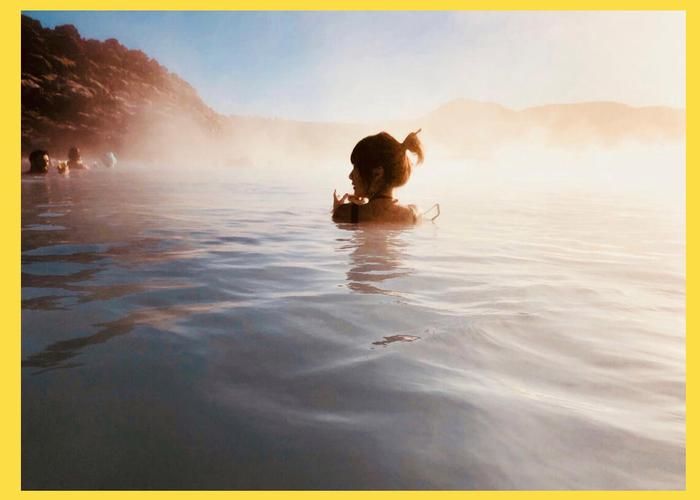
My personal top recommendation for beginners is actually where inland rivers connect with lakes—for example, Lake Cayuga, a long lake in New York State. It offers the tranquility of a lake combined with the flow of a river, and the local community has a great atmosphere. with many fellow amateurs like me to share experiences. Here, you can easily find affordable temporary berths and participate in activities organized by the local sailing club, allowing you to quickly improve your skills.
However, you must remember not to ignore local regulations. In Europe—for example, at Lake Constance in Germany—you’ll need to obtain a specific inland waterway license, and there are particularly strict limits on noise levels.Suppose you’re happily cruising around in a deafeningly loud motorboat and disturb residents’ rest early in the morning—you’ll quickly be reported to the marina manager by the locals. Cultural differences like these can only be truly understood through firsthand experience.
It’s also extremely important to assess the weather in advance—don’t just look at the forecast for that day, but focus on the trends for the next few days.Once, while on the Connecticut River, I failed to notice that rainfall upstream had caused the water level to rise sharply. As a result, the current swept my boat off course, and I nearly crashed into a bridge pier.In that split second, I realized that having a sense of awe for nature is the most important lesson in boating.
I’d like to share this with you all: “The sea never promises to remain calm, yet it always embraces the sincere efforts of those with a humble heart.” Buying a boat is about seeking joy, not enduring hardship. Choose the right waters, choose the right boat, and maintain a mindset open to learning—that way, you too can enjoy that unique sense of freedom.
Q&A: Frequently Asked Questions:
1. How much does a beginner’s first boat typically cost?
In fact, prices vary widely. A used 15- to 20-foot boat in average condition can typically be purchased for between $5,000 and $10,000. But don’t forget to set aside at least $2,000 for repairs and equipment.Never be tempted by a bargain and buy a boat that looks flawless but has frequent mechanical problems—repairs will make you question your life choices.
2. Can I operate a boat without a license?
In most U.S. states, recreational boating does not require a “boating license” in the traditional sense; however, it is strongly recommended that you complete a boating safety course, as many insurance companies will offer you a discount for doing so.The situation is different in Europe, where many countries strictly require a license to operate a boat. Be sure to check this in advance.
3. How do you handle boat storage?
Among all the considerations, this is one of the most significant challenges.Aside from the high cost of marina berths, you might also consider dry storage—a method where boats are stacked like plates on top of one another—which is a slightly more affordable option.Alternatively, you could explore whether there are “boat owner sharing” communities in your area, where you can occasionally rent an unused berth from others at a relatively low price.