 Excess
 Excess
Excess 11
Match 100/100
$18,000-28,000/wk bareboat
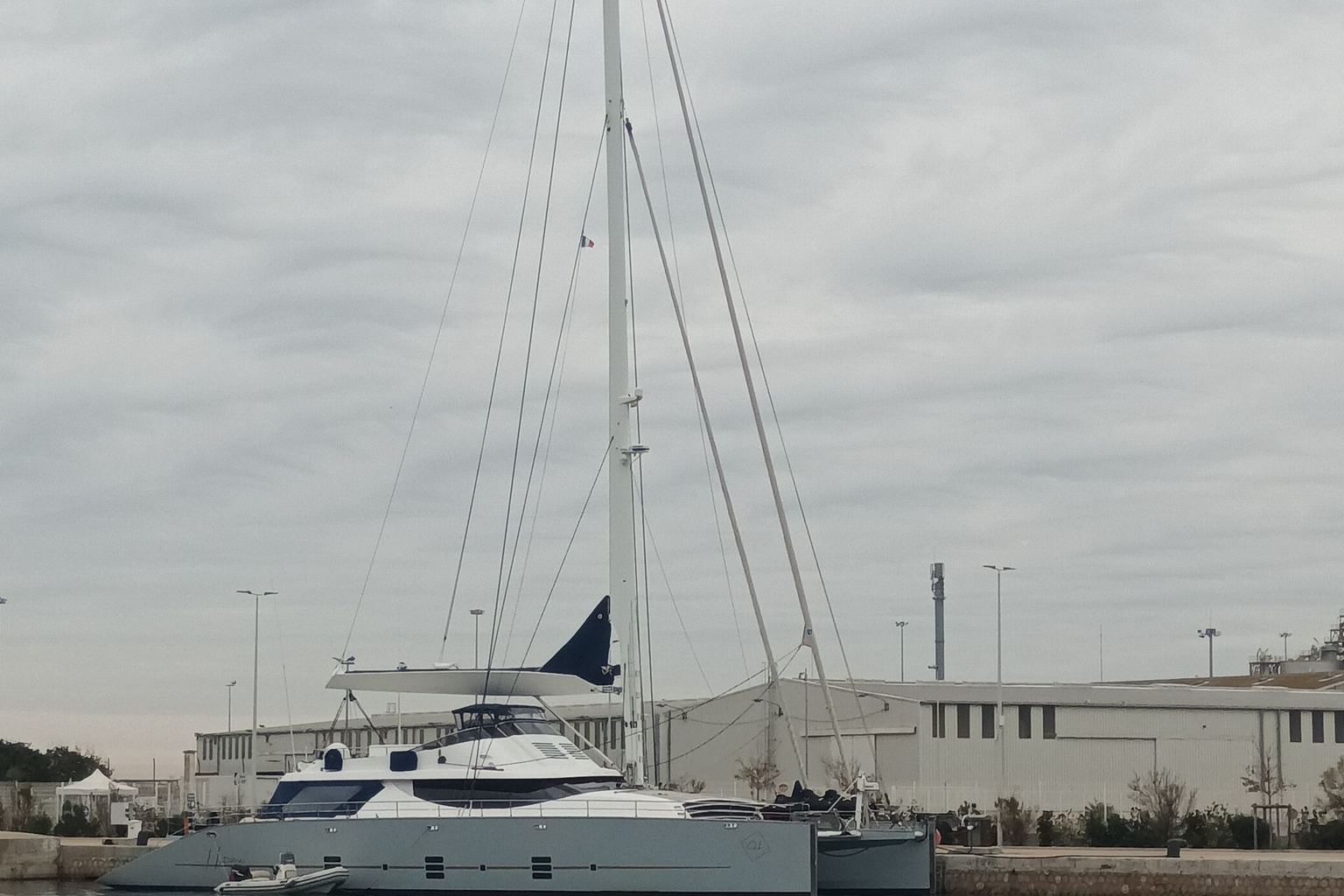
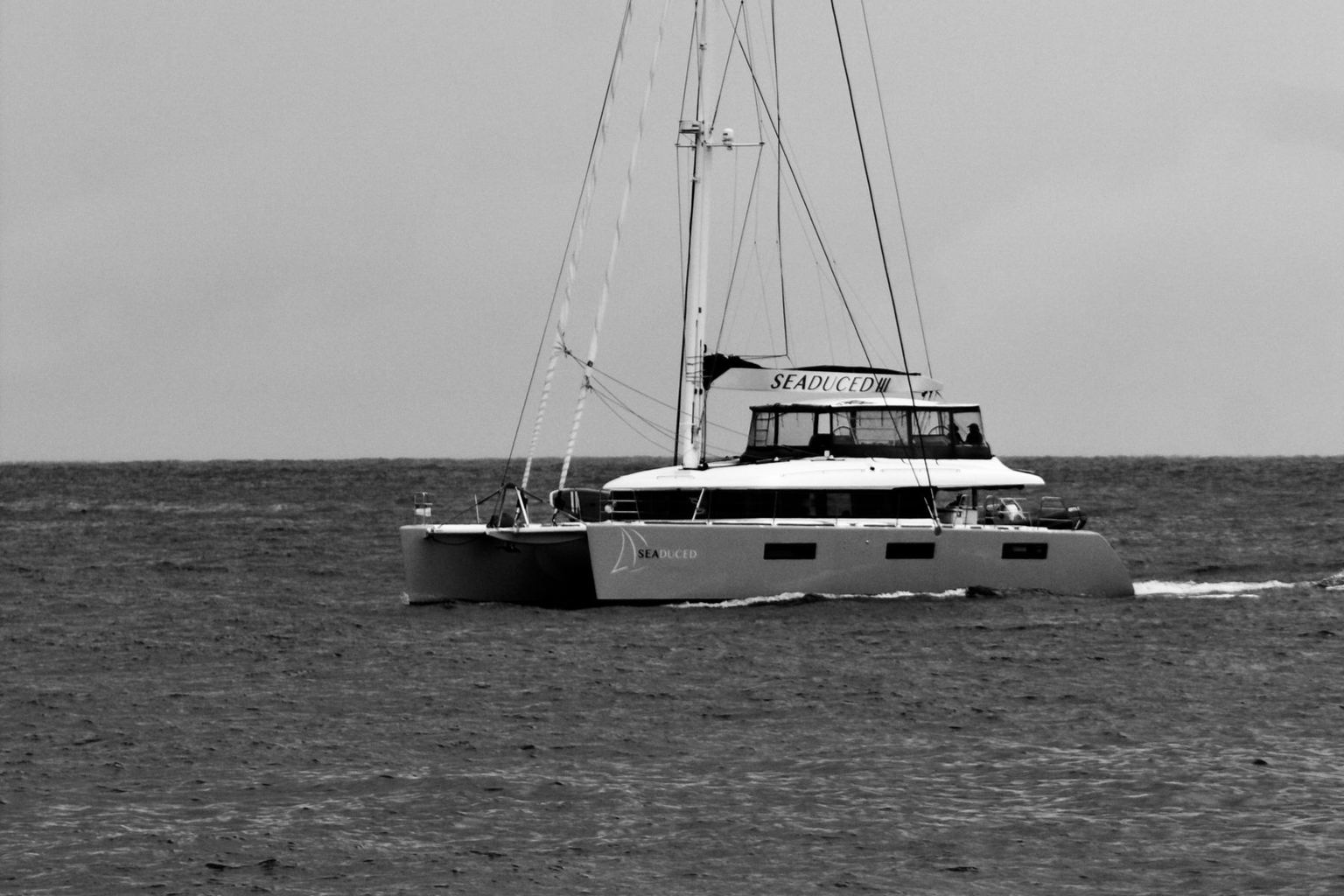
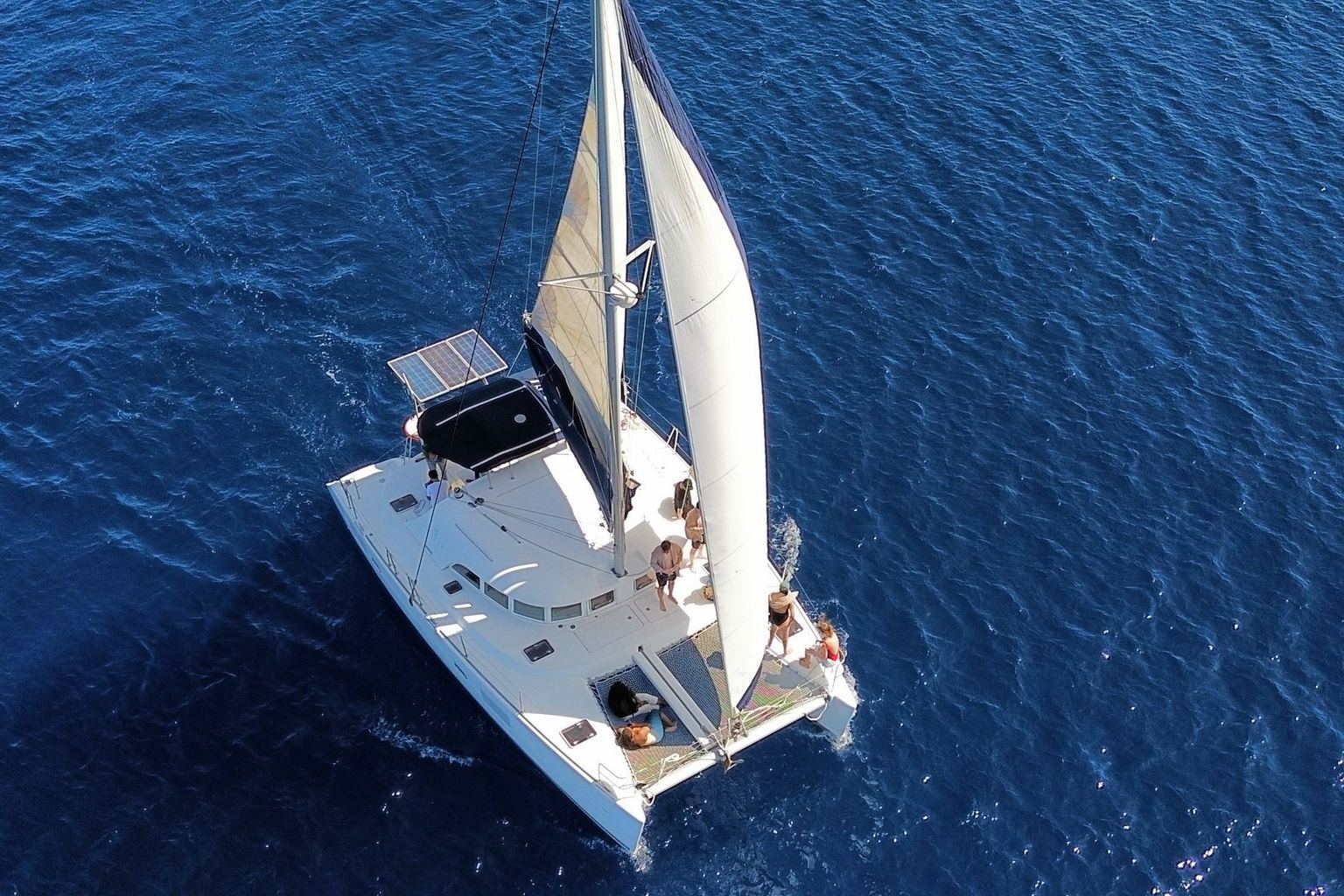
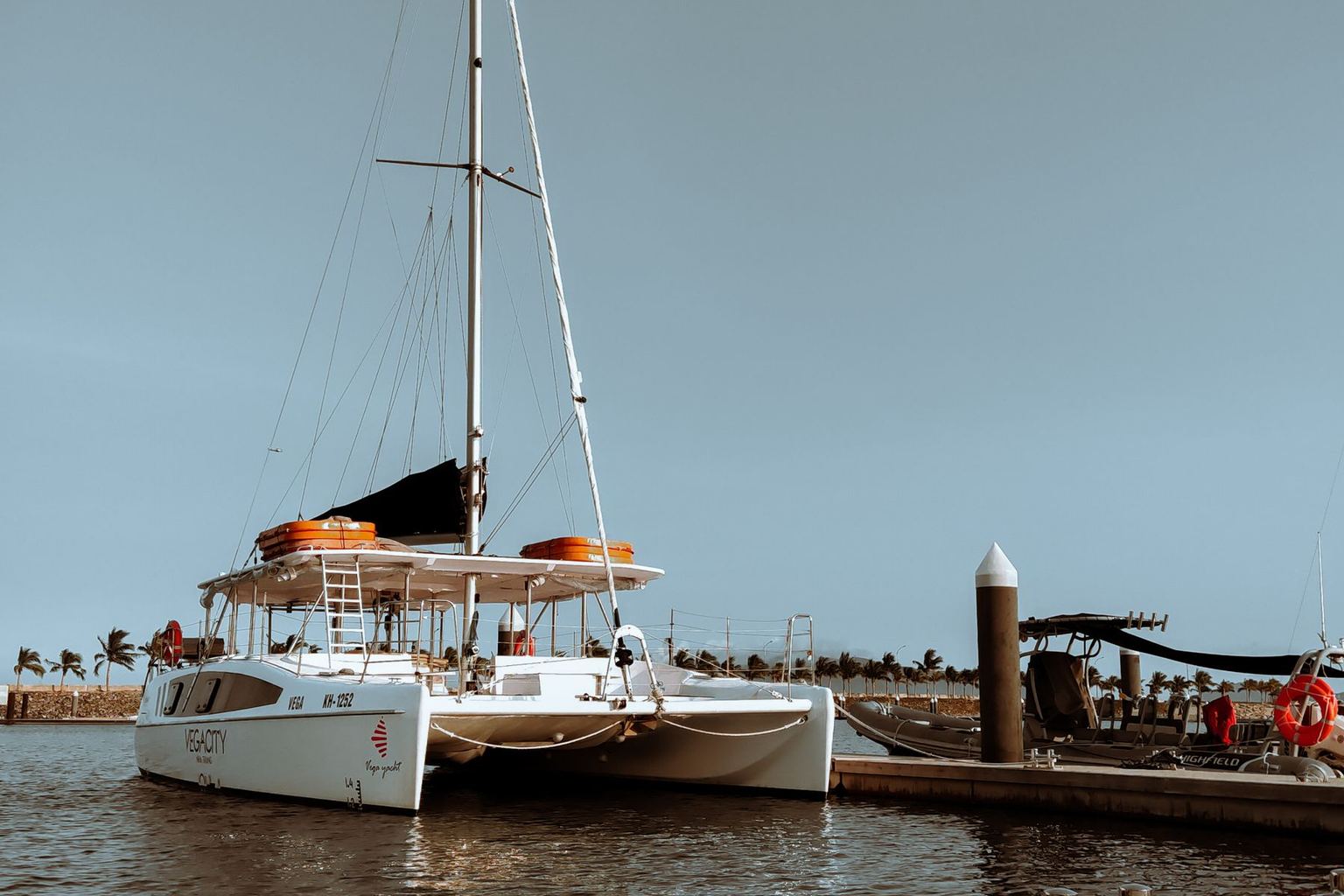
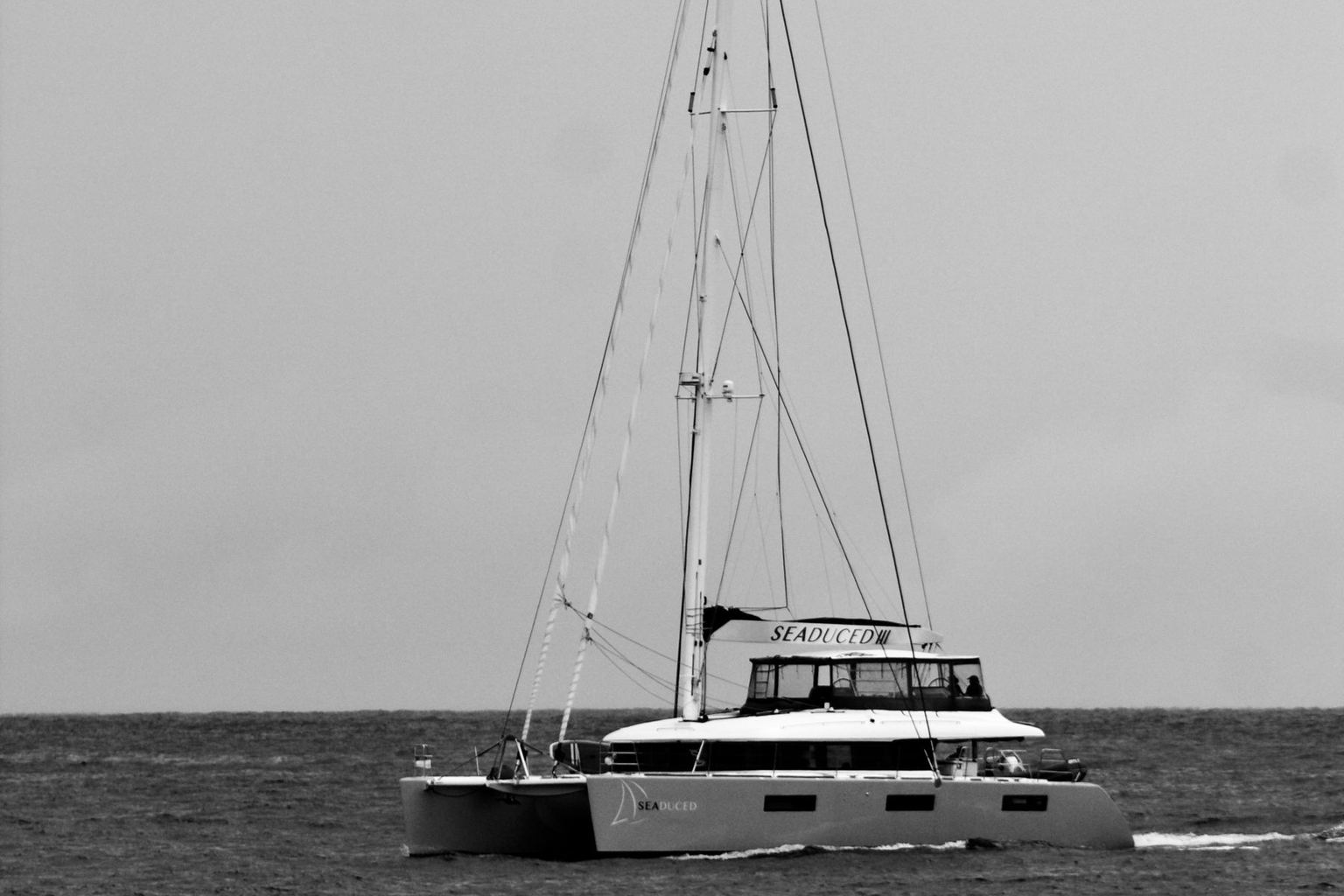
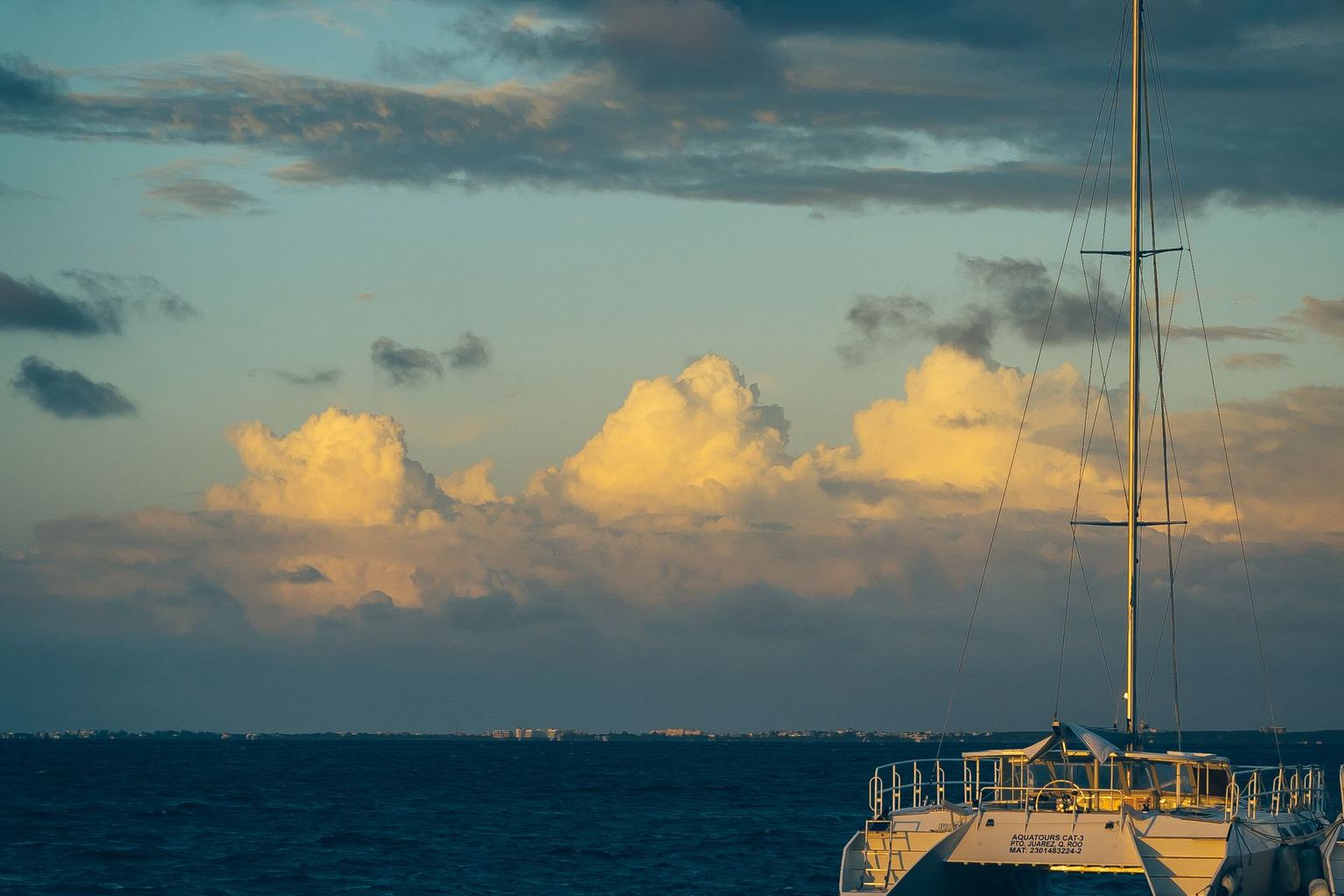
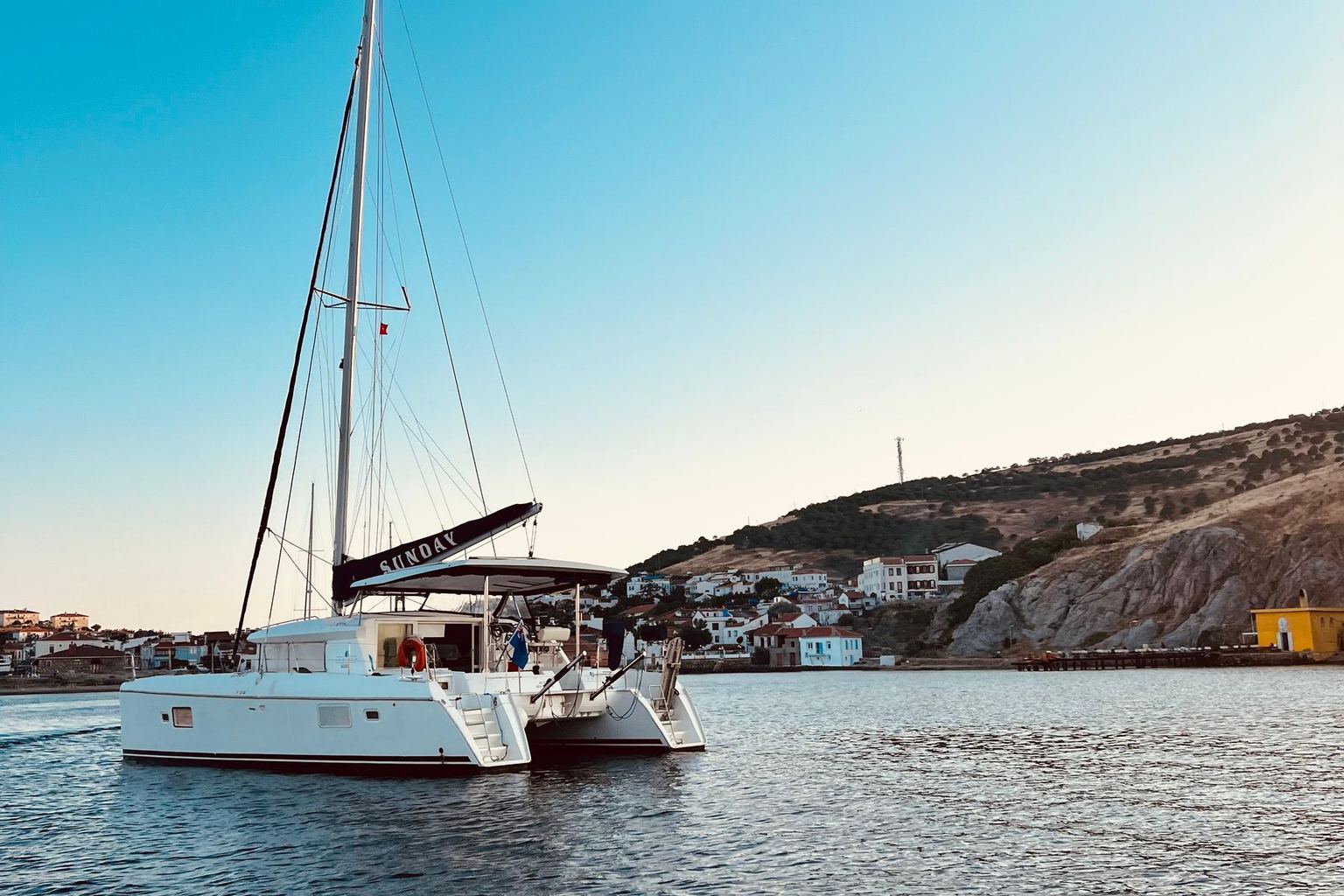
Excess 11 charters in British Virgin Islands at $25,200–$45,000/wk crewed — the closest verified match to your ~$24,113/wk charter band.
Interactive tool · 30-sec result
Per-head, per-room, per-trip — see what a week actually costs each way.
Question: Is a charter really more expensive than a hotel for my group?
ID: charter-vs-hotel
Per-head, one trip
4 guests, 7 nights in British Virgin Islands — 2 rooms at $450/night is $1,575 a head, against $8,500 for an all-in crewed charter.
7 nights · 4 guests · base + skipper + APA + cleaning, 54 verified bands
2 rooms × 7 nights × $450/room/night
Using our 4-star hotel benchmark for Caribbean ($250–$700/room/night). Enter your own rate to override it.
Charter — total for the trip
$33,999
range $16,920–$54,285 · crewed & all-in
Hotel — total for the trip
$6,300
range $3,500–$9,800 · 2 rooms
Charter costs more per head
$6,925
not within a single yacht’s capacity at this rate
Five dimensions scored 0–5 for your group type, then lifted by the priorities you picked.
Priority-weighted fit — charter 5.0/5 vs hotel 3.3/5 on your priorities: privacy, flexibility, experience.
On pure nightly cost a hotel wins for a group this size — $1,575 a head against $8,500 for the charter. But your priorities (privacy, flexibility, experience) are exactly what a charter is built for: your own cabins, your own route, your own crew. You are paying a premium for those, and the honest question is whether the premium is worth it to you.
Two ways to shrink the gap: lengthen the trip (the yacht cost is fixed, so each extra night dilutes the per-head figure) or move the group up to a smaller hull that fits 4 comfortably.
Read the hotel number honestly
Four verified models whose own weekly band is closest to your charter budget — ranked for a party of 4.
Excess Excess
$18,000-28,000/wk bareboat
Excess 11 charters in British Virgin Islands at $25,200–$45,000/wk crewed — the closest verified match to your ~$24,113/wk charter band.
 Fountaine Pajot
 Fountaine Pajot
$18,000-28,000/wk bareboat
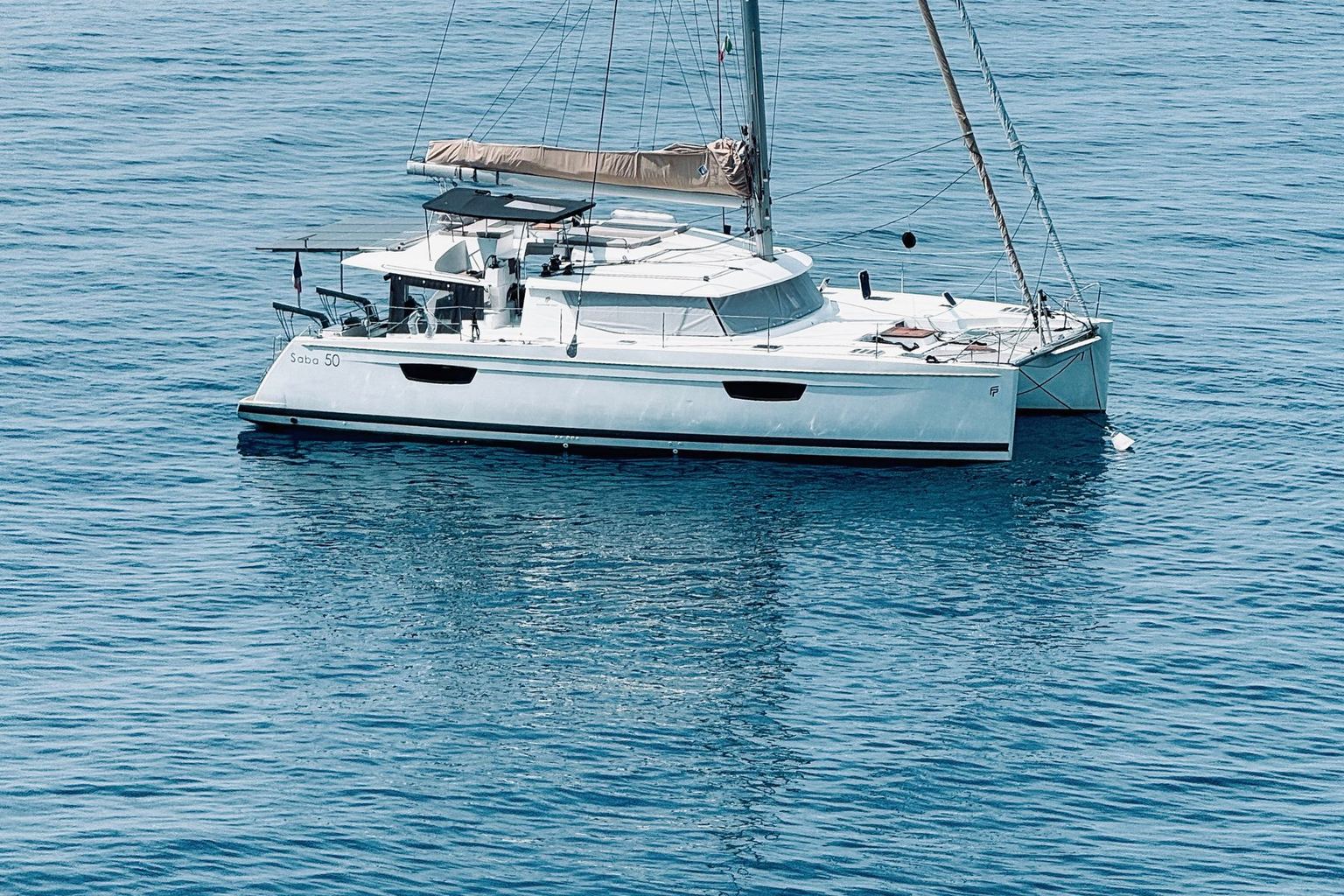
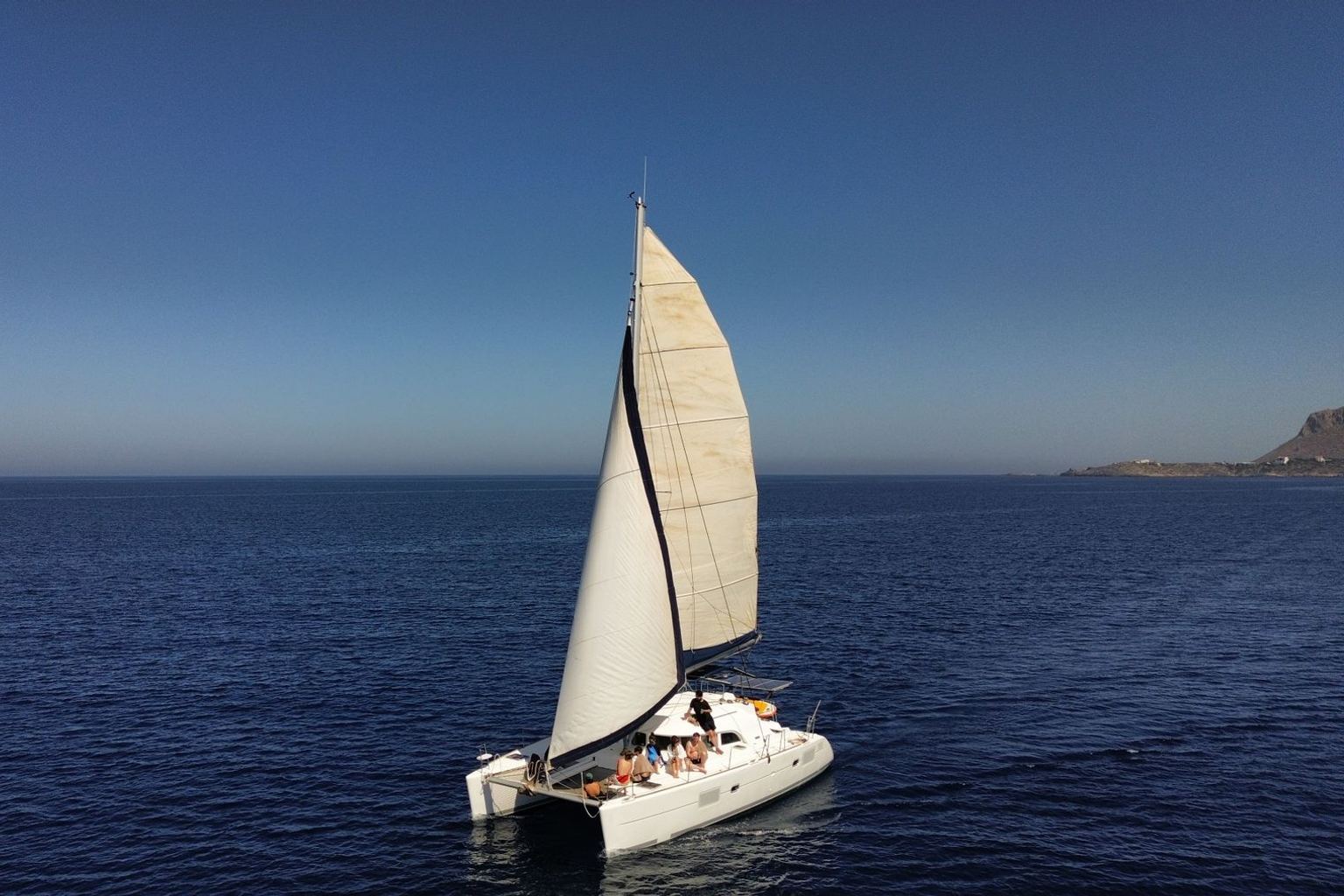
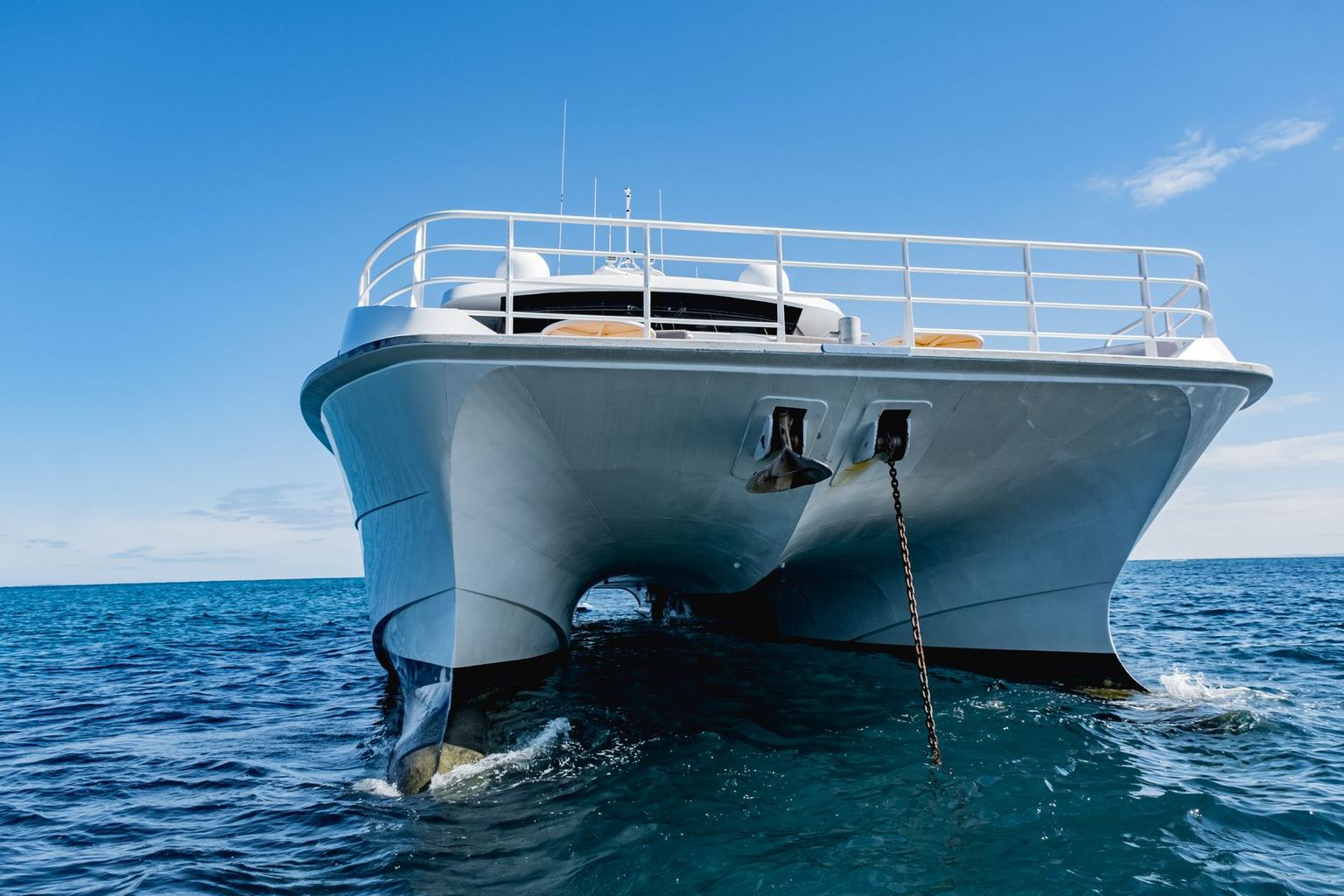
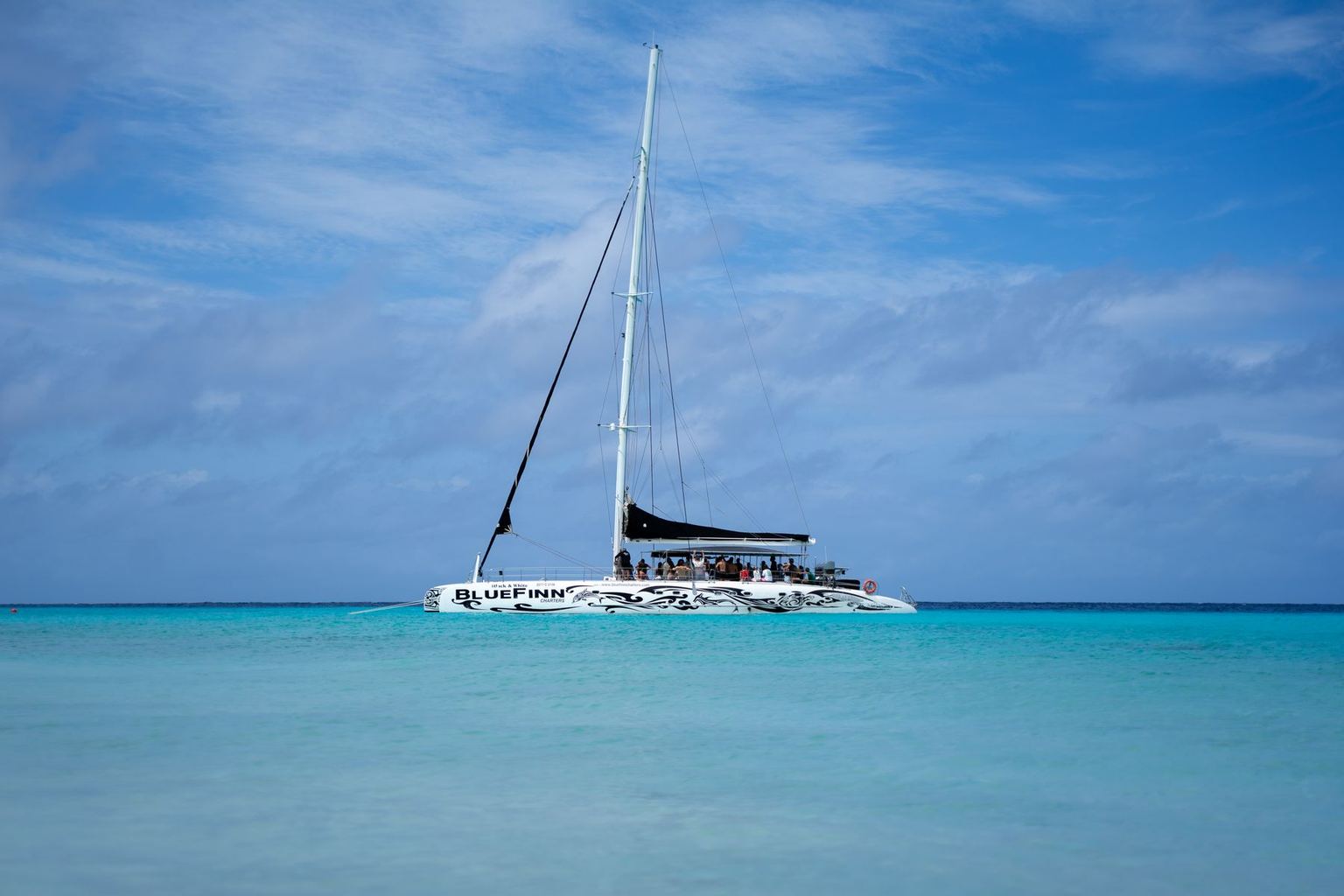
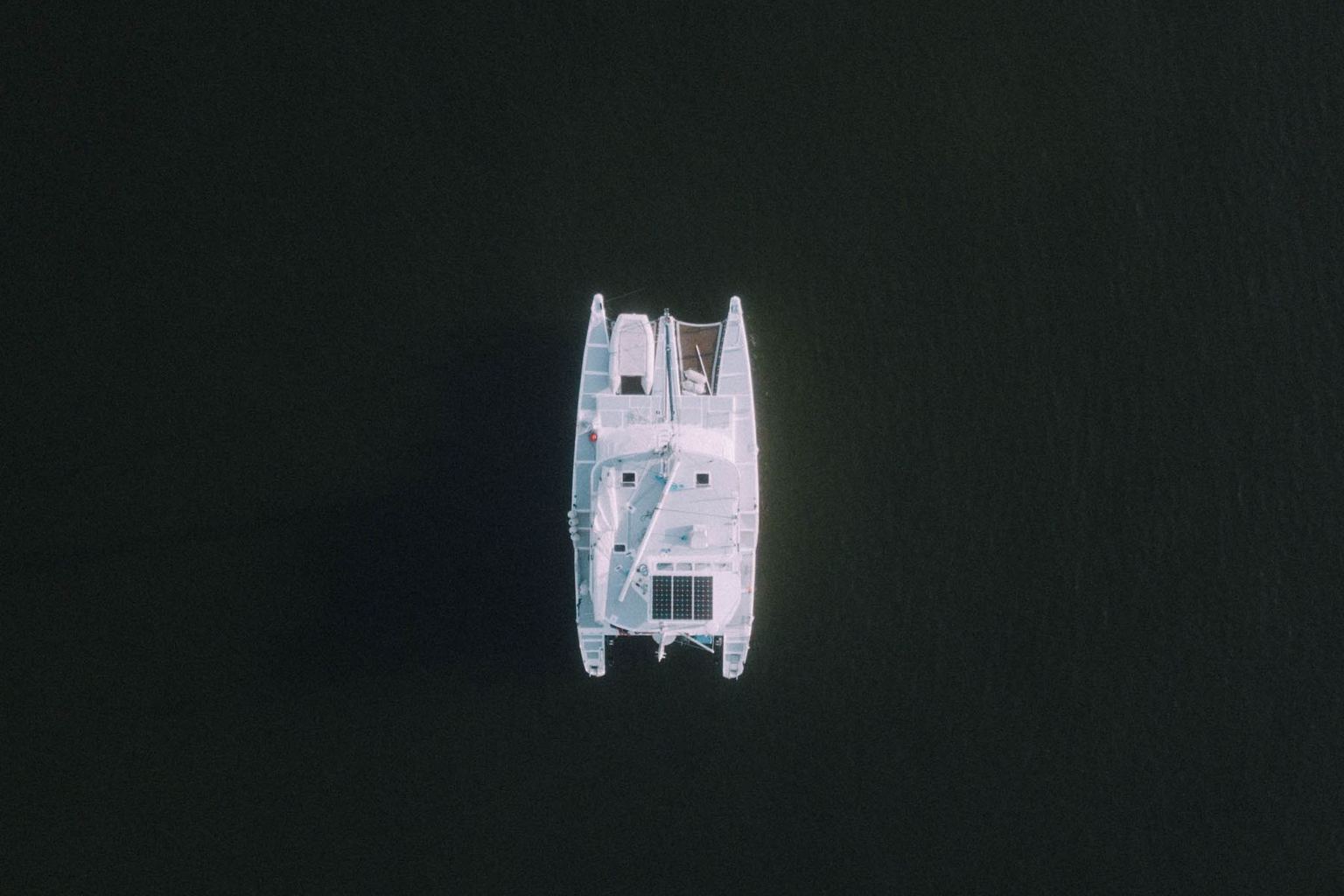
Fountaine Pajot Isla 40 charters in British Virgin Islands at $25,200–$45,000/wk crewed — the closest verified match to your ~$24,113/wk charter band.
 Leopard
 Leopard
$18,000-28,000/wk bareboat
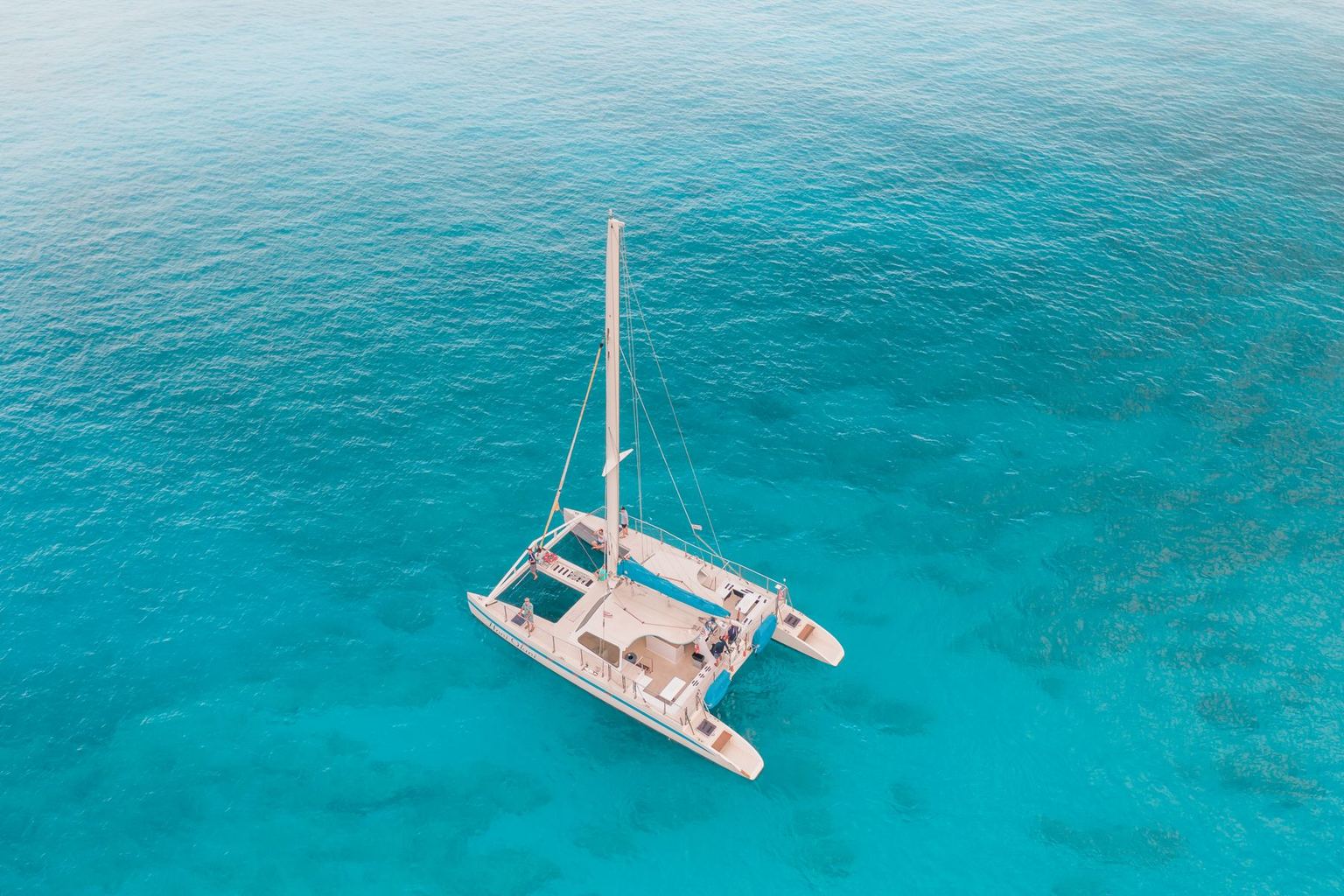
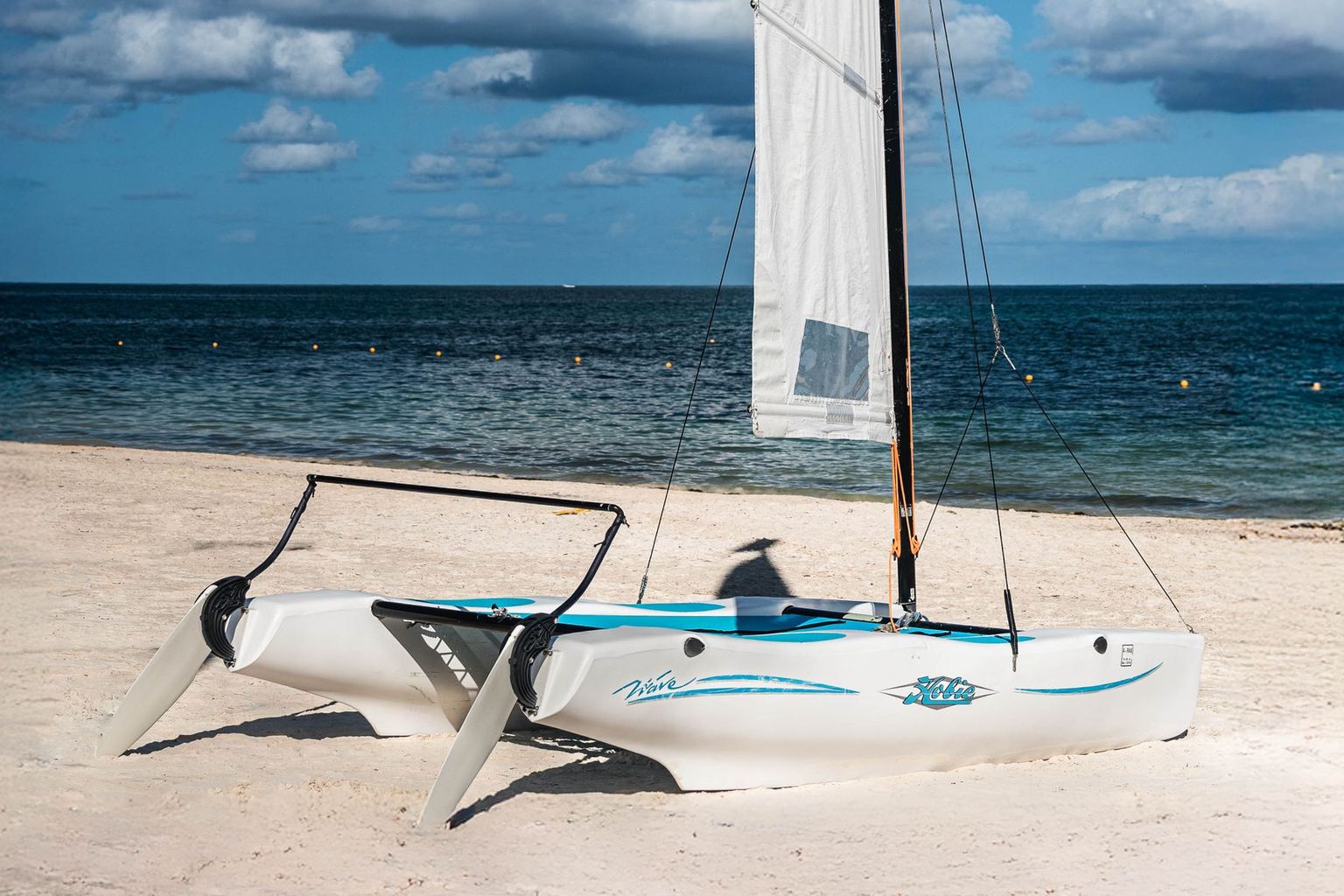
Leopard 40 charters in British Virgin Islands at $25,200–$45,000/wk crewed — the closest verified match to your ~$24,113/wk charter band.
 Nautitech
 Nautitech
$18,000-28,000/wk bareboat
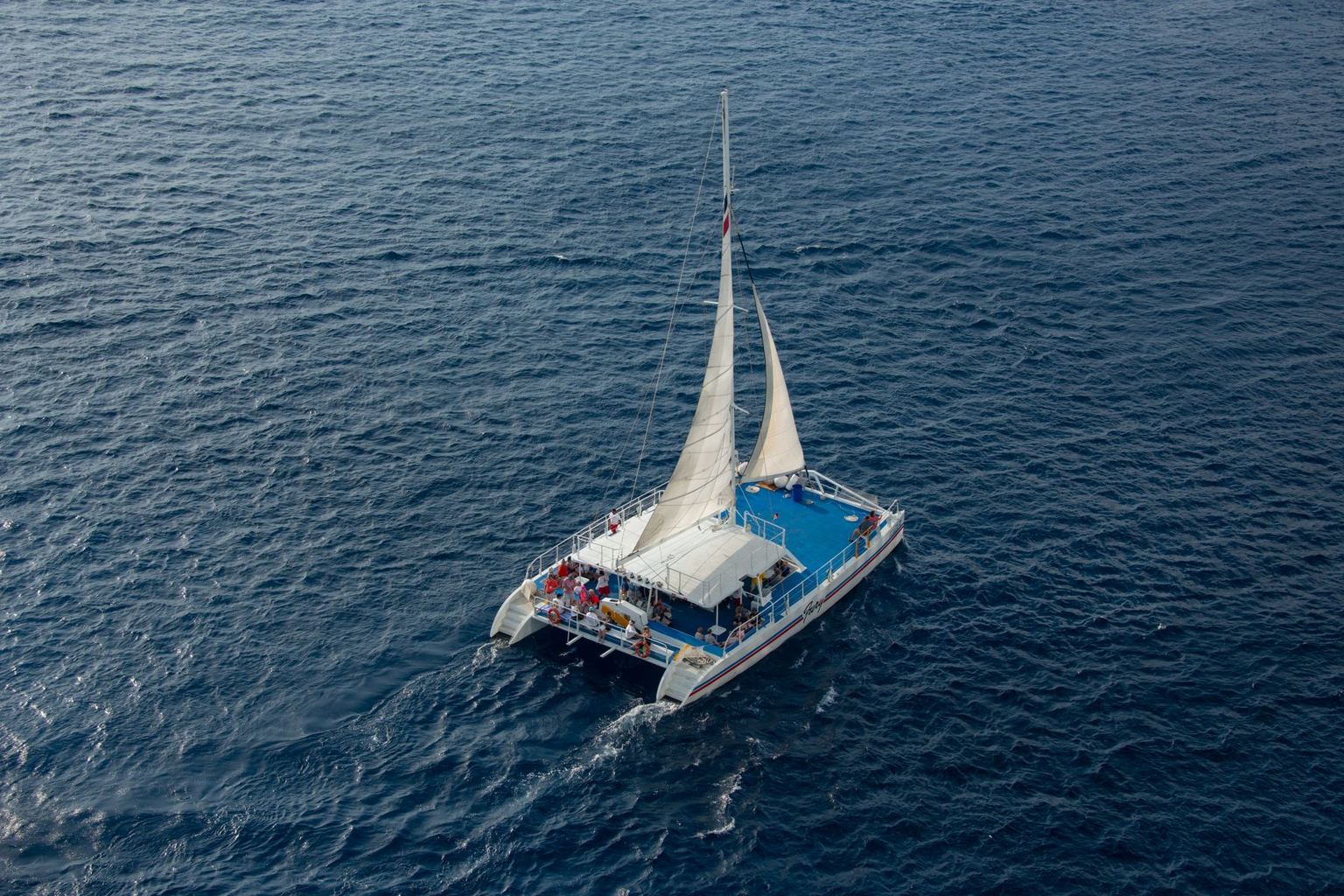
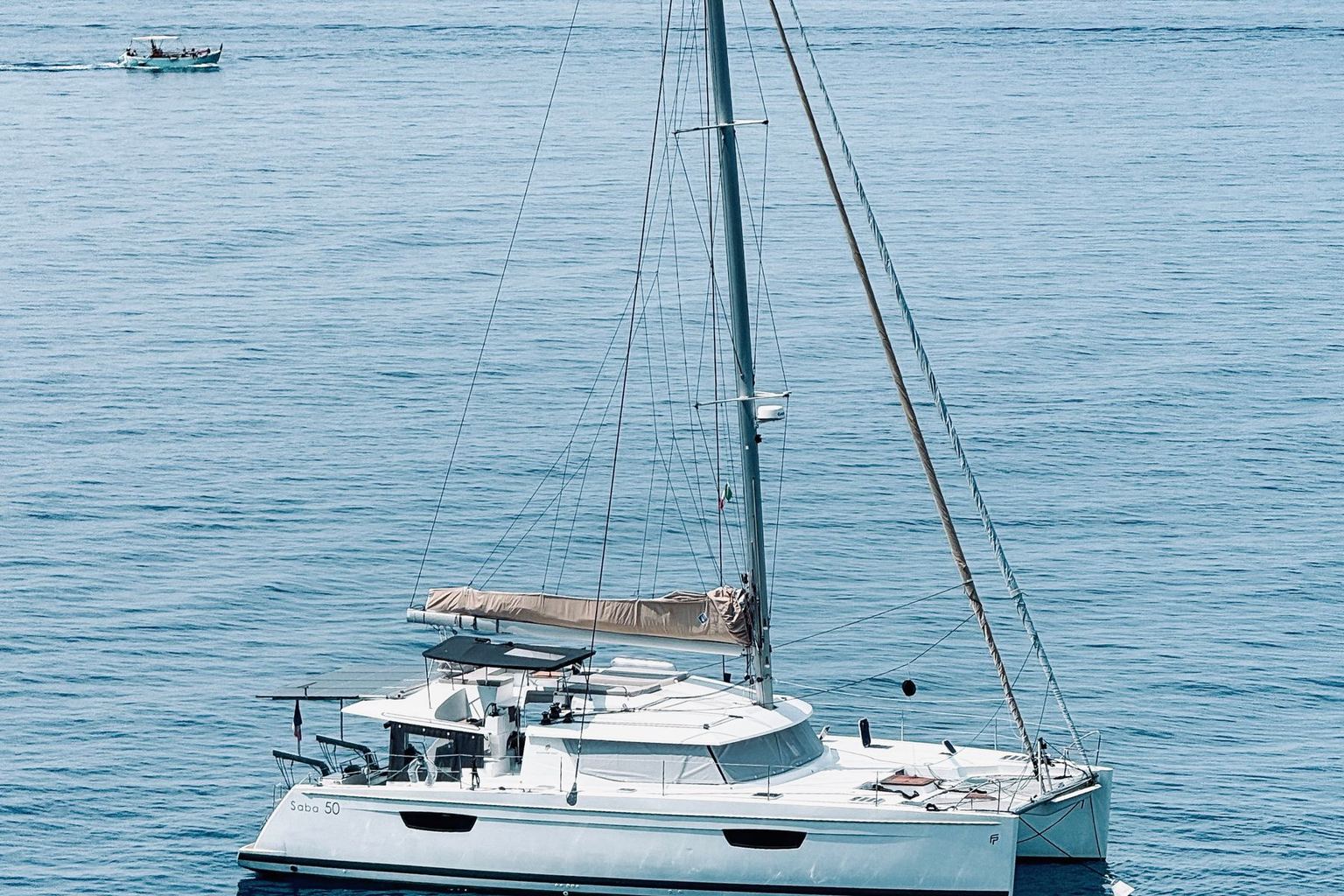
Nautitech 40 Open charters in British Virgin Islands at $25,200–$45,000/wk crewed — the closest verified match to your ~$24,113/wk charter band.
Share this result
Every share link saves your exact inputs.
No data capture on this page: your comparison lives entirely in the URL. Use Copy link above to share the exact result, Email to hand it to your group, or Print for a paper copy.
The charter side is built exactly like our budget calculator: we take every verified weekly pricing band we hold for the country you pick, fall back to the region's bands (and, if a region publishes nothing, to the boats that charter there), scale the weekly figure by your nights, and cap the base at $80,000. On top we add the lines a crewed charter actually carries — a hired skipper budgeted as the larger of $200 per night or 12% of base, an APA provisioning allowance at 25% of base (the midpoint of the operator 20–30% range), and cleaning and transit at 4% of base. That single all-in figure is then divided by your party size to give a per-head number.
The hotel side is deliberately different. We hold no hotel pricing data, so we do not pretend to. Instead the page starts from a clearly-labelled benchmark table of typical shoulder-season room rates by region and star tier, and hands you an editable "your hotel rate" box. Enter the rate you are actually being quoted and the whole comparison re-runs around your real number. Rooms are then derived from your group type: families get one room per couple plus one extra for an odd adult and one per two children; friends share one room per two people; a couple needs one; corporate groups are priced at single occupancy, one room per adult; and multi-generation groups get one room per couple. Multiply rooms by nights by the nightly rate and you have the hotel total.
Finally we compare the two per-head figures. The bar chart flips colour when the cheaper option is not the charter, so you can see at a glance which way the maths is pointing for your exact group — and the break-even line tells you the group size at which the rooms start to cost more than the yacht.
The radar scores five things that decide whether a week away actually feels good. Privacy is about having your own space — a charter gives every couple a cabin and the whole boat to yourselves, while a hotel gives you one locked door and a shared corridor. Flexibility is control over your schedule: with a charter you decide where you wake up, when you eat and what you do; a hotel fixes you to one location and its timetable.
Experience covers the things you can only do on the water — sailing, snorkelling straight off the transom, island-hopping to a new bay every day. Food is where the hotel side wins: restaurants, bars and room service are simply outside a boat's day-to-day reach, even with a great crew. And value is the pure cost-per-head reading, which is why it moves opposite to the experience axes for the two options.
Your group type sets the starting profile — a family of four and a group of friends do not value the same things — and then the priorities you tick each add a point to that axis, capped at five. Tick privacy, flexibility and experience and the radar tilts hard toward charter; tick food and value and it tilts back.
Each polygon is one option's fit profile: the further a corner reaches from the centre, the stronger that option is on that axis. The solid teal shape is the charter and the dashed blue shape is the hotel. Where the teal outline sits outside the blue, charter scores higher on that dimension; where the blue is outside, the hotel does.
Do not read the area of the shape as a cost or a verdict — the radar is about fit, not price. A charter can look large on the radar and still be more expensive per head, which is exactly the trade-off this page is here to make explicit. The numbers beside the chart give the exact 0–5 score on each axis, and the line beneath shows the priority-weighted average for each option using only the axes you chose.
For small groups a hotel usually wins on pure nightly cost, because a crewed charter is priced for the whole yacht and carries a skipper, a provisioning allowance and cleaning. The gap closes fast as the group grows: the same yacht cost is split across more heads while a hotel needs more rooms, one per couple or per two friends. This calculator shows the exact crossover for your group type, region and trip length — and our own default 4-adult Caribbean week is one a hotel wins on cost but a charter wins on privacy, flexibility and experience.
We do not pretend to have a live hotel feed. The hotel side starts from a clearly-labelled benchmark table of typical published shoulder-season room rates by region and star tier, and you can override it with your own rate per room per night. Rooms are then derived from your group type — one room per couple plus one per two children for families, one per two friends, single occupancy for corporate groups. The benchmark is a starting point, not a quote, and the page says so.
A charter becomes competitive when the per-head share of the yacht drops below the per-room hotel bill. That depends on group size, trip length, region and the hotel rate you compare against. As a rule of thumb on our data, the crossover lands around 8–10 guests for a mid-range crewed catamaran against a 4-star hotel, and earlier once you move up to a 5-star hotel or add the cost of dining out every night. The calculator computes the crossover for your exact inputs.
The charter figure we compute is crewed and all-in: the weekly base rate, a hired skipper, the APA provisioning allowance for food and drink on board, and cleaning and transit. That means meals aboard, your own crew and your own floating home are inside the number. The hotel figure is the room bill only — it excludes breakfast, city and resort taxes, and does not account for restaurant meals, transfers or activities, so the true hotel total is always higher than the room line shown.
Want a real quote from a specialist?
No obligation. Free. Avg response under 24h.