I recently came across an old photo—it was taken five years ago when I first docked in Croatia.The sunlight was just right, and a gentle sea breeze was blowing softly, but my mind wasn’t on the scenery at the time—instead, I was wondering how much I’d spent on this boat and whether it was really worth it.
This is a question that probably everyone planning to buy a catamaran asks themselves over and over again.
Today, I’m going to write about my personal experiences, the pitfalls I’ve fallen into, and all those things no one is willing to talk about openly. I’m not doing this to show off my expertise; I simply want to help newcomers who haven’t gone through this yet avoid a few stumbles.
1. First, figure out: What kind of boat do you actually want to buy?
This question might sound like a no-brainer, but I’ve seen far too many people buy the wrong boat and then regret it.
I have a friend who bought a 12-meter-long used catamaran in Germany, originally with the idea of sailing around the Mediterranean with his wife and children.However, on their very first voyage, they discovered a major problem: the boat’s center of gravity was too high, causing it to rock violently at the slightest breeze or wave. In the end, the boat was forced to remain docked in the harbor, gathering dust and sitting idle.
So, before buying, be sure to ask yourself a few questions:
Is the primary use for leisurely cruising, or do you plan to actually cross the ocean?
What is the maximum number of people who will be staying on board for extended periods?
Do you have the means to tow the boat? Or will you need a professional crew?
Can your budget cover the ongoing maintenance costs?
Don’t underestimate that last question. The maintenance costs for a catamaran are much higher than you might imagine—at least 3 to 5 percent of the total value annually, and that’s just a conservative estimate.
According to data from the European Marine Industries Association (EUMA), the European catamaran market has grown by approximately 18 percent over the past five years, with the used boat market accounting for 62 percent of that growth. What does this unusual situation actually indicate? Many people initially opt to purchase used boats, only to realize later that they had underestimated the maintenance costs.
2. Where to Buy? Pros and Cons of Three Channels
Dealer Channel
This is the most hassle-free option. There are major yacht dealers in Düsseldorf, Germany, as well as in Munich. You can test-sail the boat on-site, inspect the details in person, and negotiate the price directly. dealers generally provide after-sales support, and some even include insurance arrangements and maintenance packages.
The downside is that prices tend to be on the higher side. For the same type of boat, purchasing through a dealer may cost 15 to 20 percent more than a private sale.
Private Sales
This is a much more complex matter. I met a boat dealer in Spain who specializes in purchasing boats from private sellers on behalf of buyers. He made it sound very appealing—“I’ll help you save money”— but in practice, many privately owned boats have hidden repair histories—such as a history of engine overheating or coral scratches on the hull. Unless you conduct a thorough inspection, you’d never discover these issues, right?
My suggestion is this: if you choose to go through a private transaction, you should spend at least 2,000 to 4,000 euros to hire an independent surveyor. This investment can save you a lot of money when it really counts.
Auction Houses
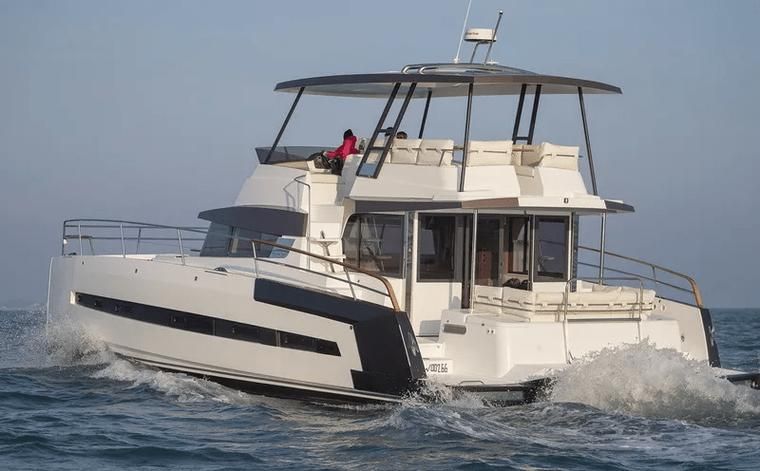
From time to time, some decent opportunities pop up, such as mortgaged vessels sold by banks under duress. However, this route isn’t suitable for beginners—you can’t test-sail the boat in advance and can only rely on the listing and the limited photos provided.If you’re lucky, you might snag a bargain; if not, you’ll end up spending money to learn a lesson.
3. How to Choose the Top Five Destinations
The “destinations” I’m referring to here aren’t just places you can visit for fun; they also include where it’s most cost-effective to buy a boat and where repairs are most convenient.
Croatia
To be honest, this is my top personal recommendation. Why? Because the sailing conditions are excellent, there are plenty of ports, and the cost of living is among the lowest in Europe.The mooring fees for a catamaran in Croatia are about 40% cheaper than those for a vessel of the same size on the French Riviera.
But be aware: during the peak summer tourist season in Croatia, available berths in ports are extremely limited. If you plan to use your boat between June and September, it’s best to book a berth three months in advance.
Greece
With its numerous islands and diverse sailing routes, Greece is ideal for those who love to explore in depth. It’s also clear that the Greek used-boat market is far more active than in Northern Europe. A Greek friend of mine told me that many British and French boat owners choose to sell their boats in Greece, given that maintenance costs and taxes are relatively favorable there.
However, wind conditions in Greece are quite complex.The Meltemi winds that blow across the Aegean Sea during the summer can sometimes reach force 7 or even 8 on the Beaufort scale, which can be quite challenging for beginners. I recommend that you only venture out once you’ve become familiar with the local weather patterns.
Spain
Spain boasts a long coastline stretching from the Basque Country to Andalusia, offering a wide variety of options. The boat shows held in Valencia and Madrid are quite large, allowing you to compare multiple different brands and models at the same time.
Spain has a unique tax policy: vessels from outside the EU entering Spanish waters are granted a temporary tax-exempt period, which can last up to 18 months. This information is important for buyers planning to use their boats across calendar years.
The Caribbean
A paradise for catamaran enthusiasts worldwide—and it’s not limited to European waters. The Caribbean, including Puerto Rico, the U.S. Virgin Islands, and Barbados, are all popular cruising destinations.
However, there is a major drawback here: the tropical climate causes much more severe corrosion to the hull compared to the Mediterranean.The same boat that might remain in perfect condition after ten years in the Mediterranean could require significantly higher maintenance costs in the Caribbean. Insurance premiums here are also higher, at roughly 1.5 times the rates in the European market.
Portugal
Portugal is a relatively niche destination, but it has been gaining attention in recent years. From Lisbon itself to the routes in the Algarve region, the stunning scenery is incredibly captivating, and the prices of some boats here are generally about 10 to 15 percent lower than those along the Mediterranean coast.
The downside is that the supporting infrastructure is not as well-developed as in Croatia or Spain, and some smaller ports lack maintenance services. If you plan to explore the Portuguese coast in depth, you must plan ahead and have a contingency plan in place to handle emergencies!
4. The Pitfalls I’ve Encountered Myself
First of all, don’t rely solely on photos. The dozens of photos you see online—each one carefully staged by the seller to look picture-perfect— However, the real issues—such as the condition of the hull and the degree of wear on the internal wiring—can only be discovered by actually boarding the boat and inspecting it in person.
Second, never overlook the test sail. I spent an hour and a half test sailing this boat and discovered that it vibrated slightly when the engine was running at high speed.After further investigation, it turned out there was hidden damage to the propeller, and a single repair would cost over 2,000 euros. If I hadn’t conducted the test run at the time, I would have had to cover that expense myself.
Third, you must ensure that all relevant documents are complete and in perfect order—the boat’s registration certificate, past maintenance records, and even the previous owner’s usage habits. It is ideal for these documents to be comprehensive and complete. I’ve witnessed cases where someone purchased a boat only to discover a missing link in the chain of title, which nearly resulted in the vessel being seized by local customs. Such situations carry significant risks and must not be taken lightly.
First, don’t let the phrase “value for money” cloud your judgment. Second, some boats may appear to be very low-priced; third, however, this might be due to an outdated design; fourth, or perhaps the boat is nearing its annual inspection deadline; fifth, when calculating the total cost, be sure to factor in potential renovation and maintenance expenses.
5. Some Heartfelt Advice for Beginners
To be honest, when I bought my first boat, all I could think about was, “Once I own a boat, I’ll be able to go anywhere I want, free and unrestricted.” But the reality is—owning a catamaran is a massive undertaking that requires a significant investment of time and money.
But that doesn’t mean you shouldn’t buy one. It just means you need to approach it with a clear head.
My advice:
First, rent one to get a feel for it. Rent it for a week or two to experience what life on board is really like—not just sailing in your imagination.
Get involved with the local community of boat owners. There are many Facebook groups for European catamaran enthusiasts, and members are often happy to share their experiences—including what pitfalls to avoid.
Don’t rush to achieve the “perfect” setup right away. Many people regret their decision just six months after buying their first boat and then rush to replace it with a larger, higher-quality one.However, every boat comes with sunk costs that cannot be recovered, and frequently changing boats is actually the most costly course of action.
Q: When buying a used catamaran, which parts should you inspect most carefully?
First, the hull is the most critical component; second, the engine and propulsion system are also important. In addition, check the interior of the cabin for water stains or mold spots—these are generally signs of water ingress or poor ventilation.
Q: What tax considerations are there when buying a boat within the EU?
A: VAT rates vary by country. The VAT rate in the Netherlands is 21 percent; in Germany, it is 19 percent; and in Spain, it is also 21 percent, though certain exemptions apply. It is recommended to consult a tax advisor before finalizing the purchase; sometimes, purchasing in a different country can result in significant savings.
Q: As a first-time boat buyer, should I hire a broker?
A: If you’re a first-time buyer, we strongly recommend it.A good broker can help you identify issues with the paperwork, coordinate the boat inspection, and even negotiate the price. Fees typically range from 2% to 5% of the purchase price, but the peace of mind and hassle you’ll save are well worth it.
Q: Are catamarans suitable for families with children?
A: Compared to monohulls, catamarans are indeed more family-friendly due to their wide decks and excellent stability.However, it’s important to focus on instilling safe habits in children. The height of the railings on catamarans differs from that on monohulls, and some design features may actually make it easier for children to climb over them—this is a point that requires extra attention.
Q: What are the minimum annual costs for a boat that’s just sitting idle?
A: This varies greatly. If you moor the boat in Northern Europe for a year, it might cost only 20,000 to 30,000 euros, but at marinas in popular resort areas, the same cost could easily triple. My advice is to factor in the cost of mooring when purchasing a boat; don’t wait until after you’ve bought it to realize you simply can’t afford to maintain it.
Author’s Note: The author of this article has lived in Europe for over a decade and has more than eight years of hands-on experience operating catamarans. Having chartered and purchased boats in Spain, Croatia, Greece, and other locations, the author possesses an in-depth understanding of the European catamaran market. The experiences described in this article are based on personal experience and do not represent the views of any commercial organization.