
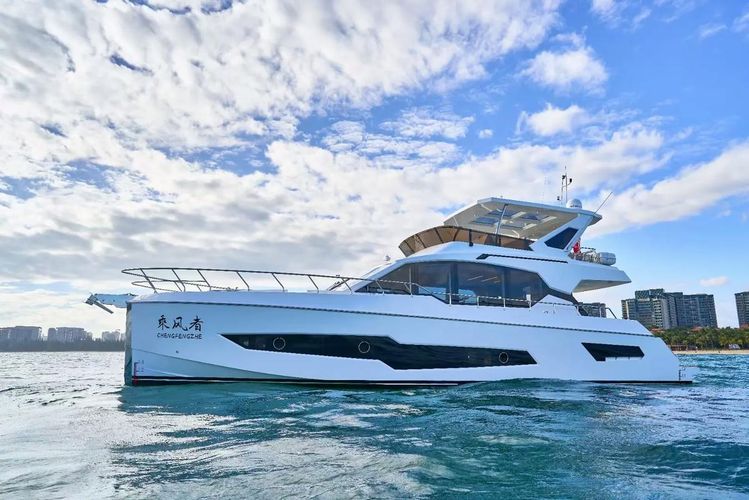
My name is Tom. I’ve lived in Miami, Florida, for nearly twenty years. My family owns two boats—one I captain myself, and the other we rent out for weekend cruises.Today, I’d like to talk about buying and renting yachts—not in some official, dry, educational style, but through the lessons I’ve learned from investing my own hard-earned money.
Let’s look at some numbers. According to a 2024 report from the Yacht Brokers Association (YBA), the U.S. luxury yacht market—defined as yachts over 50 feet—exceeds $18 billion, with pre-owned transactions accounting for approximately 42% of that total.It sounds like a booming market, but before you actually set sail, you need to understand just how deep the waters really are.
Buy or Rent? Think It Through Before You Spend
Many people constantly find themselves torn over this question—I’ve seen it happen far too often. Take my friend Mike, for example. Last year, he spent $850,000 on a used 45-foot Azimut, only to discover an engine oil leak the very next year, sending repair costs soaring to $60,000. What if he had chosen to rent instead? It would have cost him only about $12,000 a month to take it out and enjoy himself to the fullest; if anything went wrong, he could have turned to the owner—it wouldn’t have been his problem at all.
Buying a yacht and renting a yacht are, at their core, two completely different lifestyles. Buying means you have ownership, but it also means you bear all the risks. Renting means you’re just a visitor, but you get to experience more possibilities.
Many beginners rush to buy right from the start, driven by the idea that “ownership” is what brings prestige—I’ve seen this happen time and time again. And what’s the result? The boat sits idle at home, gathering dust; annual maintenance costs alone run into the tens of thousands, and eventually, they’re forced to sell it at a loss.
The Pitfalls of Buying a Yacht
1. Don’t Just Look at the Exterior—the Interior Is Key
A year ago, I helped a friend inspect a boat. The seller had cleaned it until it shone like a mirror, and the paint job looked brand-new.But when I went up to the deck to inspect it, I found that the deck was warped, the drainage holes were clogged, and the internal wiring was already worn out. A boat like this may look dazzling on the surface, but if you buy it, it’s like falling into a bottomless pit.
Here’s my advice: hire a professional surveyor and spend two to three thousand dollars on a comprehensive inspection—this is not an expense you should skimp on.
2. Hidden Costs Are Higher Than You Think
Buying a boat is just the beginning. Insurance premiums, mooring fees, maintenance costs, fuel expenses, and more—when you add all these costs together, they amount to at least 10 to 15 percent of the boat’s purchase price annually.For a boat worth one million, the annual cost of ownership ranges from 100,000 to 150,000 dollars.
I’ve done the math:
| Item | Estimated Annual Cost |
|---|---|
| Mooring Fees (Miami) | $8,000–$15,000 |
| Insurance | $3,000–$8,000 |
| Maintenance Costs | $5,000–$12,000 |
| Fuel costs (annual average) | $3,000–$10,000 |
| Other miscellaneous expenses | $2,000–$5,000 |
| Total | $21,000–$50,000 |
Looking at these numbers, do you still think buying a boat is a good deal?
3. How Deep Is the Water in the Pre-Owned Yacht Market?

The used yacht market is a mixed bag, with some owners—aiming to sell at a higher price— conceal accident records and maintenance history. A 2023 report from the Florida Department of Maritime Affairs highlights one key finding: among the various disputes arising from used yacht transactions, approximately 35 percent are related to the concealment of mechanical issues.
In my experience, it is essential to check the vessel’s history, including accident reports, maintenance records, and ownership transfers. You can use a service like BoatHistoryReport—for just a few dozen dollars—to get a clear picture of the vessel’s history.
The Ins and Outs of Yacht Rentals
1. Short-Term vs. Long-Term Rentals: A Big Difference
Short-term rentals are ideal for trying out a yacht; they’re billed by the day or week. Long-term rentals, however, are better suited for extensive use and are billed by the month or year.I have a client who rents a 50-foot boat every summer to cruise the Mediterranean; the monthly rental fee is $25,000, which is far cheaper than buying a boat of the same class.
The advantage of chartering a boat is that you don’t have to worry about maintenance, storage, or insurance. The downside, however, is that you can’t freely change the boat’s furnishings or fully customize it to your own preferences.
2. Ask Clearly About Hidden Fees
Many charter companies offer quotes that seem quite low at first glance, but the actual costs are very likely to be 30 to 50 percent higher than the quoted price. It’s essential to ask for a clear breakdown of expenses such as fuel, cleaning, and service fees in advance.
Here’s my advice: Before signing the contract, have all costs listed out and confirm each item. Don’t feel embarrassed to ask—it’s much better to ask for clarity upfront than to deal with disputes later.
3. Who Should Rent a Boat?
People who only go out on a boat a few times a year
People who want to experience different types of boats
People who don’t want to take on maintenance responsibilities
People on a limited budget who still want to enjoy the yachting lifestyle
My Advice: Rent Before You Buy
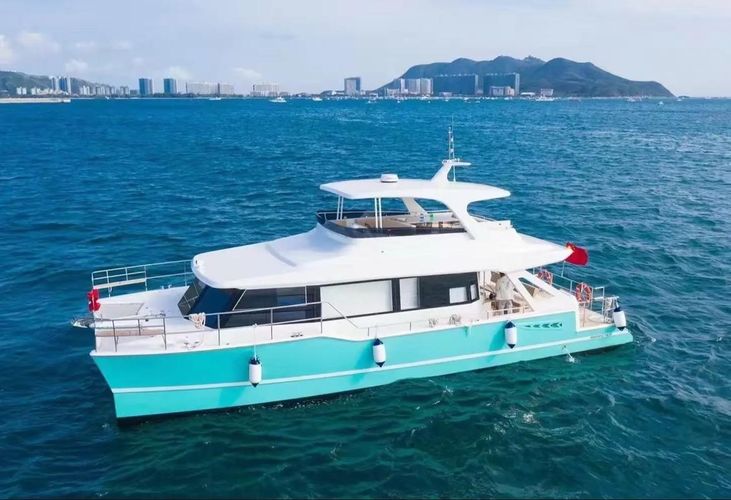
This is by far the best advice I can give to beginners: Rent a boat for a while first to see if the yachting lifestyle is truly what you’ve always wanted. Renting can help you clarify the following: exactly what size and style of boat you actually need, and how much time you’re willing to spend on board.
I’ve seen so many people who deeply regret buying a boat simply because they have absolutely no time to use it. The boat sits there quietly, and just looking at it breaks your heart—but when you actually set it in motion, you end up completely exhausted.
Q: What kind of budget should I set aside for buying a used boat?
1. A: You need to set aside funds for annual ownership costs, which account for 10 to 15 percent of the purchase price. 2. A: If you buy a boat with a total price of 500,000, you’ll need to budget at least 50,000 to 75,000 USD annually for maintenance.
Q: What certifications are required to charter a boat?
In most cases, a captain’s license is not required for short-term rentals. However, it may be required for long-term rentals or when operating larger vessels. We strongly recommend checking local regulations in advance.
Q: Is it more cost-effective to buy or rent a boat?
If you use the boat for fewer than 50 hours a year, renting is more cost-effective; if you exceed that amount of time, buying a boat may be a better value.
Q: Where is the most reliable place to buy a used yacht?
A: We recommend purchasing through a reputable boat dealer or broker to avoid the risks associated with private transactions. BoatTrader and YachtWorld are commonly used platforms.
Q: How can I avoid being scammed when renting a boat?
Carefully inspect the boat’s condition before signing the contract, take photos to document it, confirm the breakdown of all fees, and keep records of your communications.
The following sentence is annotated by the author. This sentence elaborates on the relevant content. This article was written by Tom, a native of Miami, Florida, who draws on his 15 years of yachting experience, and has previously owned and operated three luxury yachts simultaneously to illustrate the situation. He is well-versed in the U.S. yacht sales and rental markets. The data in this article is sourced from the 2024 report by the Yacht Brokers Association (YBA) and publicly available information from the Florida Department of Maritime Affairs.