Buying a boat is a real minefield.
I’m Old Chen. I’ve been sailing the Aegean Sea for eight years—from Thessaloniki in Greece to Mykonos. I started out by chartering a boat, and eventually made the transition to purchasing one with my own hard-earned money.I’ve seen too many people head to Greece full of enthusiasm, only to end up in one of two situations: either they’ve been taken advantage of and suffered financial losses, or their expenses have far exceeded their means, leaving them in a bind.Today, I won’t discuss those false claims. I’ll simply share practical, useful information—the reality hidden behind the search term “Catamaran for sale Greece destination cost.”
For many people, the moment they hear “buying a boat in Greece,” images of sunshine, sandy beaches, and blue-domed chapels pop into their minds. Then they reach for their credit cards. Stop. Take a look at your credit card statement first.
1. Choosing a Destination: Don’t Just Focus on Mykonos
Mykonos is indeed beautiful, but that’s the side shown to tourists; for buyers, it’s a trap.
Dock fees are exorbitantly high, and berths are so scarce that finding an open spot is nearly impossible. If the boat you’re purchasing requires long-term mooring, the monthly fees alone will make you seriously question your life choices.
With that in mind, I recommend you take a look at two locations: one is a place called Patras, and the other is Corfu.
Patras is situated on the west coast of mainland Greece. As the gateway to the Ionian Sea, it boasts numerous shipyards and convenient repair services—but the key is its affordability. Many large catamarans are built and maintained here, and if you plan to do your own repairs, this is your paradise.
Corfu, close to Albania and Italy, offers a completely different experience. Its scenery is breathtaking, and the climate is relatively mild. The used boat market here is extremely active, with many sellers from Northern Europe shipping their boats here to overwinter. Here, you can find some boats that have been exceptionally well-maintained.
There is another niche option to consider: the island of Lesbos(Lesbos). The cost of living here is relatively low, making it ideal for skippers seeking a low-key, secluded lifestyle; however, the infrastructure is somewhat lacking, so you may need to wait for courier deliveries when searching for spare parts.
2. Cost Breakdown: More Than Just the Purchase Price
The cost of buying a catamaran goes far beyond the listed price of the boat itself.
Suppose you’re considering a 2015 Lagoon 42. Its list price might range from 150,000 to 180,000 euros. But that’s just the tip of the iceberg.
You need to consider the following hidden costs:
Brokerage fees, which typically range from 5% to 7% of the boat’s price. This amount is paid to the broker. Regardless of whether the transaction is successful or not, fees are likely to be charged during the initial consultation phase.
Taxes (VAT) can be quite a headache. Non-EU buyers in Greece can apply for a tax refund; however, if you plan to register the boat in Greece and use it there long-term, the VAT rate could be as high as 24%. However, if the vessel is second-hand and taxes have already been paid on it, the situation becomes much more complicated. It is essential to consult a local tax advisor with expertise in this area to calculate the details carefully; under no circumstances should you rely on misleading information from brokers—absolutely not.
As for insurance costs, conditions in the Mediterranean are relatively complex. While piracy is not widespread there, storms occur quite frequently. Insurance premiums for catamarans are generally higher than those for monohulls, as the cost of repairing a catamaran is relatively high.
The cost of occupying a mooring (the term “mooring” specifically refers to this fee), on highly popular islands, the cost of using a mooring during the peak of the summer season is very likely to be three times higher than during the winter months; over the course of a full year, such expenses can easily exceed tens of thousands of euros. Punctuation.
Catamarans have two engines, and the two rudders—which are among the primary maintenance priorities—mean that the maintenance workload for a catamaran is twice that of a monohull, resulting in annual basic maintenance costs ranging from at least 3,000 to 5,000 euros.
3. Guide to Avoiding Pitfalls: The Most Common Mistakes Beginners Make
When I went to view a boat for the first time, I made an extremely elementary and amateurish mistake: I focused solely on the exterior. The boat’s paint job looked glossy, and the interior appeared brand-new, so I felt as though I’d struck gold.
During the inspection—which involved boarding the boat—I noticed fine, crack-like marks at the keel joints. This is a major red flag for catamarans. The cost of repairs can run into the tens of thousands of euros.
Therefore, it’s absolutely essential to have a professional survey conducted. Don’t skimp on this expense—spend 500 to 800 euros to hire an independent surveyor, who will inspect the engine, electrical systems, and structural integrity.
Additionally, pay close attention to battery life. Catamarans consume a significant amount of electricity—the air conditioning, refrigerator, and navigation equipment all draw power. The batteries on many older boats have already deteriorated, and replacing a full set of lithium batteries is a considerable expense.
Furthermore, engine hours are a key factor to consider; you shouldn’t rely solely on the odometer reading but should also review the maintenance records. If the seller claims the boat has been “used very little” yet the engine hours are high, it likely indicates excessive idling, which causes significant damage to the engine.
4. Data Comparison: Cost Estimates for Boat Models from Different Years
I’ve created a simple table to give you a clear visual overview; this table is based on average market prices from 2024 to 2025.
| Boat Model | Year | Estimated Selling Price (EUR) | Estimated Annual Maintenance (EUR) | Ideal for |
|---|---|---|---|---|
| Lagoon 42 | 2015 | 160,000–180,000 | 8,000–12,000 | Family vacations, seeking comfort |
| Catana 42 | 2018 | 220,000–250,000 | 10,000–15,000 | For performance enthusiasts who love speed |
| Fountaine Pajot 41 | 2012 | 130,000–150,000 | 12,000–18,000 | On a tight budget and willing to do your own repairs |
Please note that maintenance costs rise sharply as the boat ages. For a 12-year-old boat, you’ll likely need to set aside more money for major repairs.
5. My Honest Advice
Buying a boat is a lifestyle choice—not an investment.
Unless you’re a professional boat operator, it’s extremely difficult to turn a profit by purchasing a boat in Greece. Depreciation rates are extremely high, and especially during economic downturns, prices for used boats can fluctuate wildly.
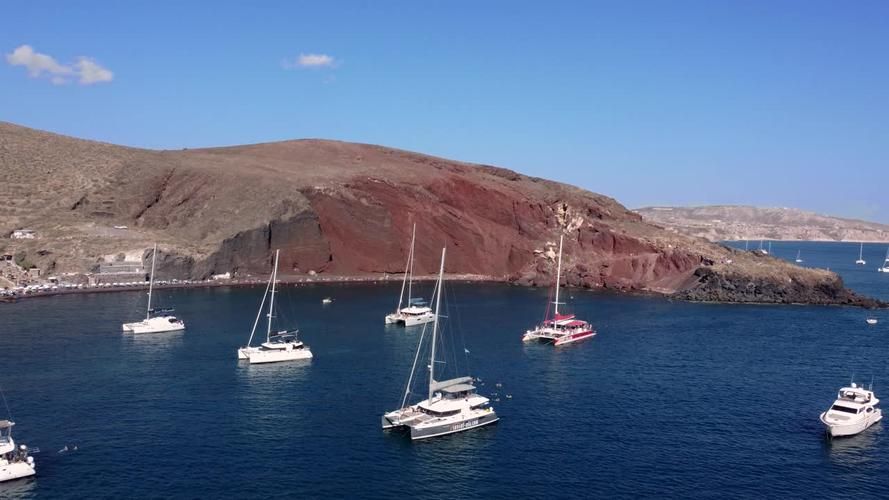
If your goal is to sail around the world, or if you simply want a mobile home for the summer, that’s perfectly fine—so go ahead and enjoy the journey.
However, if you’re thinking of recouping your costs by chartering out the boat, you should dismiss that idea entirely as soon as possible.The rental market in Greece is highly competitive; the peak season lasts only three months, and during the off-season, the boat will simply sit idle, gathering dust and serving no purpose.
Please be advised that legal procedures in Greece tend to be quite complex, and document processing is relatively slow; the transfer of ownership can take anywhere from three to six months. You’ll need to be patient—don’t expect to be able to take the boat home the same day, as you might with a used car.
Frequently Asked Questions (FAQ)
Q: Can I buy a boat in Greece directly from my home country?
First of all, yes, it’s possible. However, the visa process can be quite complicated. We recommend finding a reliable local agent. Next, you’ll need to view the property entirely via video. Finally, you’ll need to hire a lawyer to handle the relevant paperwork.
Q: Are catamarans or monohulls easier to handle?
Catamarans are stable but not very maneuverable; they have a large turning radius, making them difficult to handle in narrow harbors. Monohulls are more agile but tend to rock more in windy or rough weather—it really comes down to your personal preference.
Q: Are gas prices cheap in Greece?
A: Compared to Northern Europe, they’re slightly cheaper, but compared to mainland Europe, they’re a bit more expensive. Also, there aren’t many gas stations, so you’ll need to allow for a larger fuel buffer when planning your route.
Q: Are there import duties on used boats?
A: If you’re an EU resident conducting a transaction within the EU, there are no additional customs duties. Non-EU residents, however, need to be aware of customs regulations.
Q: Where can I find a reliable surveyor?
First, seek recommendations from local yachting clubs; second, search the website of the International Association of Marine Surveyors; third, never simply ask a friend to inspect the boat.
Author’s Note: The author of this article, Mr. Chen, has been working in Greece for over 8 years as a consultant in sailboat operations and used boat transactions. He has personally assisted more than 50 families in purchasing and transferring ownership of catamarans and is well-versed in Greek maritime law and tax policies.