A journal documenting the hardships and painful experiences of a novice sailor, along with the pros and cons of sailing.
Summary:
Don’t be fooled by the blue skies and turquoise waters showcased in yachting magazines. This is more than just a list of pros and cons—it’s the hard-won lessons I’ve gained over the past five years, spent scraping by at the marina, weathering storms, and struggling through a mountain of bills.From maintenance costs to the psychological strain involved, I’ve thoroughly detailed all the hidden pitfalls that official guides simply won’t tell you about.If you’re on the fence about buying a boat, read this through first. Doing so will save you more than just money—it’ll preserve your sanity, too.
Who am I?
This article was written by Mark, who has eight years of experience sailing and maintaining private sailboats on the East Coast of North America. He has sailed solo across the Chesapeake Bay and has helped more than 50 first-time buyers avoid pitfalls.This article is based on actual maintenance records and annual budget spreadsheets and has no commercial affiliations.
Let’s be honest.
Buy a sailboat.
It sounds romantic.
Really?
I just went through a storm last fall.
The windshield cracked.
Three anchor chains snapped.
How does that feel?
It wasn’t as heroic as it is in the movies.
It was more like pure fear.
And endless bills.
So today, I’m not going to talk about poetry and distant horizons.
I’m going to talk about reality.
About the pros and cons of sailing, about the situation, and about everything that goes with it.
This is a ledger for ordinary people like me.
Freedom? Or debt?
Pros:
You can go anywhere there are no roads.
That’s the core appeal.
Really.
No highways.
No traffic lights.
Just nautical charts.
I once spent the night in a small cove in Maine.
I was surrounded by pine trees.
It was so quiet I could hear my own heartbeat.
That sense of freedom.
You can’t buy it with money.
Cons:
But.
You have to keep working.
Or pay someone else to do it.
How much is my annual maintenance fee?
About 20% of my annual salary.
I’m not kidding.
20%.
This includes:
Marina fees.
Insurance.
Routine maintenance.
Unforeseen repairs.
In Los Angeles, this amount may be higher.
In Florida, it might be a little lower.
But it will never go away.
Body vs. Brain
Many people overlook this.
Pros:
The body is tired.
But the mind is clear.
Navigating requires focus.
Adjusting the sails requires coordination.
It’s a form of meditation.
When the tide is right and the wind is steady,
you become one with the ocean.
That sense of accomplishment.
Unparalleled.
Cons:
Very little sleep.
Really very little.
I slept for about three years on the ship.
Aside from sleeping.
I spent the rest of the time repairing the boat.
Peeling paint.
The metal was corroding.
The rubber was aging.
Seawater is salty.
It corrodes everything.

You have to take care of your boat just like you would a baby.
Check it every day.
Clean it weekly.
Overhaul it every month.
It’s not like driving a car.
If a car breaks down, you can just leave it by the side of the road.
What if your boat breaks down?
You’re on the water.
That’s awkward.
Social Life and Quality of Life
Pros:
You’ll meet a bunch of interesting people.
Crew community.
Very close-knit.
Everyone helps each other out.
I once met an old captain.
He helped me fix the engine.
He only charged me the price of a bottle of whiskey.
That kind of human warmth.
You don’t find that in the city.
Cons:
No modern conveniences.
Wi-Fi?
It depends.
Sometimes it’s available.
Sometimes not.
Shower?
Hot water depends on whether the engine is running.
You must have plenty of food on hand.
Fresh fruits and vegetables won’t last a week.
You’ll need to learn how to cook.
In the swaying kitchen.
Cook up a bowl of soup that’s actually edible.
That takes skill.
And it takes courage.
The Economic Ledger: Data Doesn’t Lie
Let’s look at the numbers.
Here are my approximate annual expenses for a 35-foot sailboat on the East Coast of the United States.
| Item | Estimated Annual Cost (USD) | Notes |
|---|---|---|
| Dock/Berth Fees | $3,500 - $6,000 | Depends on port location |
| Insurance | $800 - $1,200 | Basic Liability Insurance + Physical Damage |
| Routine Maintenance | $1,500 - $2,500 | Paintwork, battery, filters |
| Fuel | $200 - $400 | Auxiliary power only |
| Contingency repair fund | $1,000+ | Strongly recommended to set aside |
| Total | $7,000 - $11,000+ | Excludes boat depreciation |
Compare this to
Rent a car.
It might cost as little as $2,000 a year.
And you don’t have to fix it.
That’s the catch.
Many people underestimate the hidden costs.
Especially the “unforeseen repair fund.”
Don’t skimp on this.
You’ll regret it.
Trust me.
The Mental Hurdle: Are You Really Ready?
This is the most crucial point.
Many people want to buy a boat.
But they haven’t considered loneliness.
And I don’t mean loneliness.
It’s about responsibility.
You are the captain.
You’re responsible for everyone’s safety.
Including the children.
Including pets.
Every time you set sail
It’s a commitment.
It’s a lot of pressure.
Really.
Once.
I was in South Carolina.
A thunderstorm suddenly hit.
I had to reef the mainsail all by myself.
The rain was so heavy I couldn’t see my own fingers.
At that moment,
I wanted to go home.
I wanted to sit on the couch.
I wanted a hot cup of coffee.
But I had no choice.
I have to finish this.
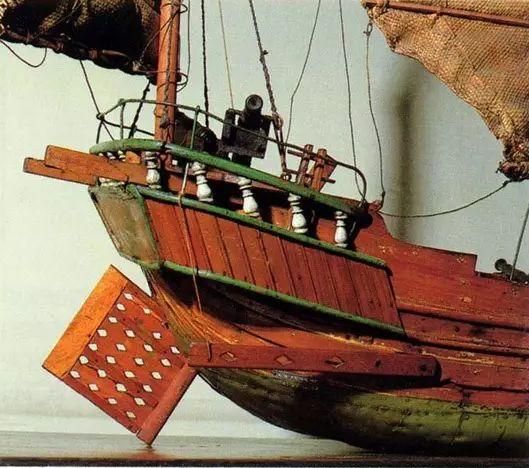
That’s the nature of sailing.
It sifts people.
It leaves behind the resilient.
It weeds out the impulsive.
Conclusion: Love or hate?
Pros and cons of sailing.
At the end of the day.
It’s a relationship.
Not an object.
You need to love it.
Just like loving a difficult partner.
It gives you the best experiences.
It also gives you the worst experiences.
There’s no middle ground.
If you’re looking for a relaxing
Go on vacation.
Don’t buy a boat.
If you’re looking for a challenge
and are willing to pay for it,
Then come on over.
See you at the dock.
Q&A: 3 Questions Beginners Often Ask
Q: Should I buy a new or used boat?
A: Unless you have an unlimited budget and expert knowledge, go for a used boat. New boats come with a huge premium, whereas used boats have a track record you can trace. It’s worth checking how the previous owner maintained it— which is far more useful than any set of specs. However, remember to hire an independent surveyor—don’t skimp on this expense.
Q: Can one person operate a boat?
It is indeed possible, but it’s not recommended for beginners just starting out. With two people on board, the workload is split in half but the manpower is doubled; operating the boat alone can be extremely dangerous in an emergency. If you live alone, consider joining a crew exchange platform, or start by practicing on short trips.
Q: What about the boat in winter?
It depends on your location. If you’re in the north, you’ll need to haul the boat ashore or pay for expensive antifreeze services; if you’re in the south, you might be able to leave it in the water, but this makes maintenance more difficult. You’ll need to plan your winter storage in advance, which can also be a significant expense.